Your committee wants jerseys that look like the ones the pros wear: big stitched numbers, layered outlines, a crest with real texture. Then the quotes arrive. One supplier quotes tackle twill per letter and per layer. Another quotes sublimated jerseys at one price, with names, numbers and sponsors included. The players ask which one is lighter, and the treasurer asks what happens when a new player joins mid-season.
This guide answers those questions. It explains how each method is made, how they compare on look, weight, durability and cost, and which one suits hockey, baseball, basketball, football and other teams. At the end there is a simple checklist to decide before you ask for quotes.
What is tackle twill, and how is a sublimated jersey different?
Tackle twill is a decoration method. Letters, numbers and logos are cut from sheets of twill fabric (usually polyester), placed on the jersey, lightly heat-tacked to hold them in place and then stitched around every edge, normally with a zigzag stitch. Layered numbers are built from two or three pieces of twill stacked on top of each other, each one stitched. The result is raised, textured and very traditional.
Sublimation works the other way round. The full design is printed onto transfer paper, then heat and pressure turn the ink into a gas that bonds inside the polyester fibres. The fabric panels are printed first and then cut and sewn into the jersey. Body colours, stripes, gradients, names, numbers and sponsor logos all go in at the same time. Because the ink is inside the fabric, it doesn't crack or peel, and you cannot feel the print. For a deeper look at the process, see our guide to what sublimation printing is.
How do they compare side by side?
| What matters | Tackle twill | Sublimated |
|---|---|---|
| Look | Raised, textured, classic pro style | Flat, any colour, gradients and patterns possible |
| Feel and weight | Heavier where numbers and crests are stitched, stiffer panels | Same weight and stretch as the base fabric |
| Breathability | Layers of twill block airflow on the back and chest | Whole jersey breathes like the fabric itself |
| Durability | Tough material, but edges can lift or stitching can break over time | Nothing on the surface to crack, peel or lift |
| Colours | One colour per twill layer, usually 1 to 3 layers | Unlimited colours in one pass |
| Names and numbers | Each letter and number cut and stitched separately | Printed with the rest of the design |
| Cost drivers | Number of letters, numbers, layers and positions | Mostly fabric and style; extra artwork adds little |
| Adding a player later | New letters and numbers cut and stitched for one jersey | Reprint one jersey from the same file |
Which looks better on game day?
That depends on what your club is used to. Hockey and baseball fans often associate stitched numbers with the classic pro jersey, and some clubs keep twill for their main home jersey for tradition. Basketball, soccer, volleyball, rugby league and most youth sports have moved mostly to sublimation, because designs with stripes, fades, camo patterns or sponsor logos on every panel are only practical when they are printed.
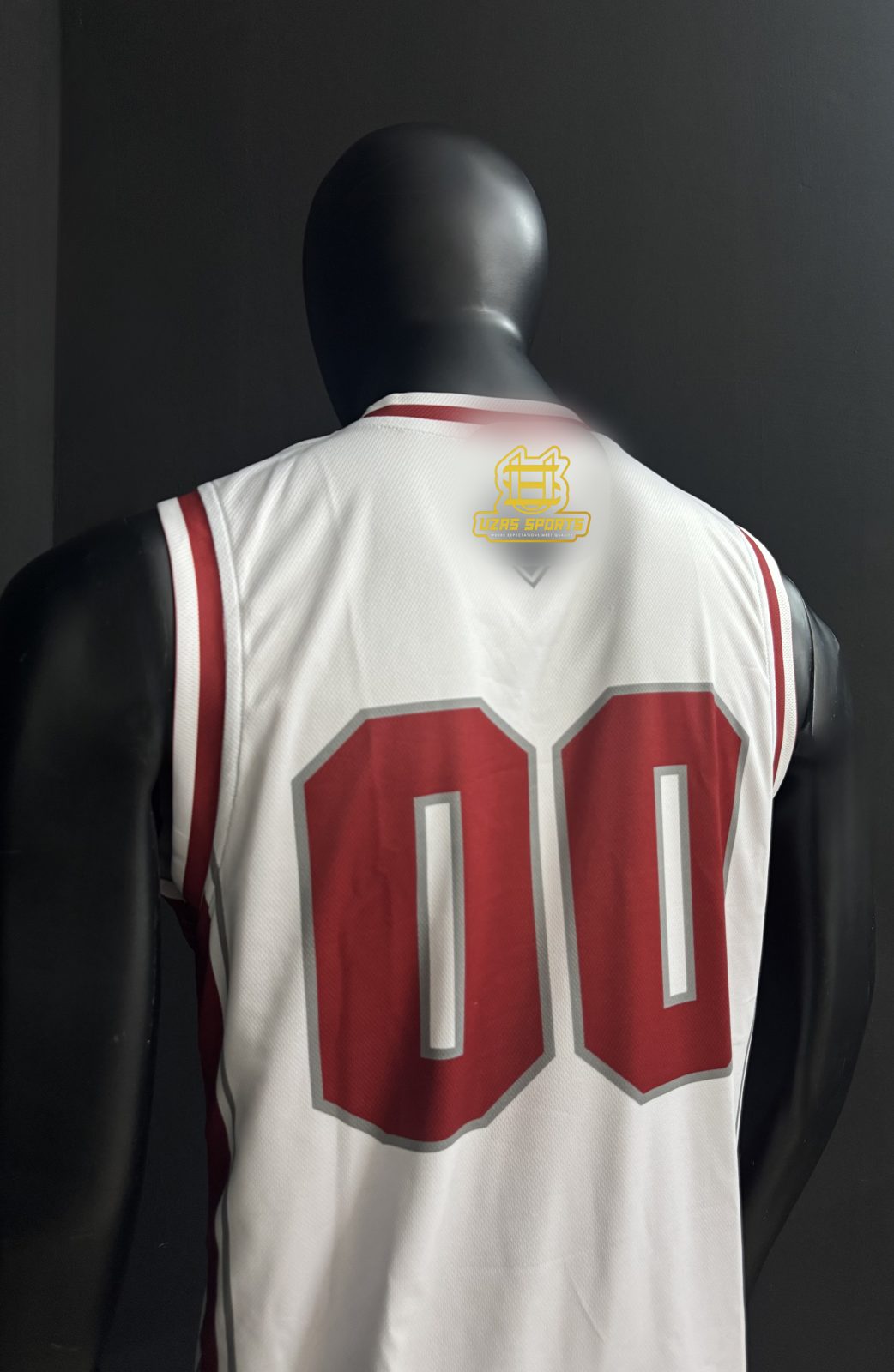
You don't have to give up the classic look to get the benefits of sublimation. A sublimated jersey can carry traditional block numbers with two or three outline colours, exactly the shapes teams use for twill. The difference is texture: printed numbers are flat. Many clubs find that from the stands, and in photos, the layered outline is what people notice, not whether it is raised.
Which one is more comfortable for players?
Sublimation, in almost every case. A large twill number on the back of a jersey is a solid patch of fabric stitched onto the fabric underneath. It adds weight, stiffens the back panel and traps heat and sweat exactly where players sweat most. On a basketball or volleyball jersey, or a junior jersey for small players, that is noticeable within minutes.
A sublimated jersey weighs the same with or without numbers, and it stretches and breathes the same everywhere. For hockey jerseys worn over pads, and for baseball jerseys in hot summer leagues, that matters as much as it does in indoor sports.
Which lasts longer through a full season of washing?
Both can last a long time if they are made well, but they fail in different ways. Twill itself is very tough. The weak point is the stitching and the heat-tack: after many hot washes, tumble drying and contact in play, the edge of a letter can start to lift, a corner can catch on equipment and thread can break. When that happens, the jersey needs a repair.
A sublimated design has nothing to lift, because there is no layer on top of the fabric. The colours are part of the fibres, so they don't crack or peel. What wears over time is the fabric itself, through snags or abrasion, and that applies to twill jerseys too. Washing both kinds inside out, in cold or warm water and without fabric softener, keeps them looking new for longer.
What drives the price of each?
Tackle twill is labour-based. Every letter and number is cut, positioned and stitched by hand on a sewing machine, and every extra layer means another piece and another row of stitching. So the price climbs with:
- The number of characters: a long surname costs more than a short one.
- The number of layers in each number or letter.
- The number of positions: front number, back number, sleeve numbers, name bar and crest.
- Custom shapes, such as a script team name or a stitched crest.
Sublimation prices are driven mainly by the fabric, the jersey style (for example, lace-up neck, button front or set-in sleeves) and the quantity. The artwork is printed in one pass, so adding a sleeve number, a second sponsor or a gradient does not add a new step. For a full roster with different names and numbers on every jersey, that usually makes sublimation the more affordable option.
What happens when the roster changes mid-season?
This is the question most clubs forget to ask. Players join late, jerseys get lost and juniors outgrow their size halfway through the year. With twill, every replacement means cutting and stitching a new set of letters and numbers in matching twill colours for that one jersey. With sublimation, the artwork file is already set up, so a replacement jersey is printed from the same file with the new name and number.
Ask your supplier whether they keep your artwork on file and whether there is a minimum for top-up orders. UZAS Sports has no minimum order, so you can reorder one or two jerseys for new players without waiting for a bulk run.
Which should we choose for our sport?
- Ice hockey and roller hockey: sublimation for training and most game jerseys, because it is lighter over pads. Some clubs keep twill numbers on a classic home jersey for tradition.
- Baseball and softball: sublimation for full-colour designs, pinstripes and sponsor logos. Twill suits clubs that want a very traditional button-front look with simple lettering.
- Basketball and volleyball: sublimation. Players move constantly and sweat heavily, and the lighter jersey is noticeable.
- American football and flag football: sublimation for practice and youth teams, where numbers must stay readable after contact and frequent washing.
- Soccer, rugby, netball and cricket: sublimation, which is now the standard for these sports.
- Supporter jerseys and fan replicas: either works. Twill feels premium for a small run of retro shirts, while sublimation keeps fan prices lower.
For sport-by-sport details on fabric, fit and numbering, see our custom sublimated team uniforms guide. If you are also comparing printing methods for cotton supporter wear, our sublimated vs screen printed jerseys guide covers that.
Can we combine both looks on one jersey?
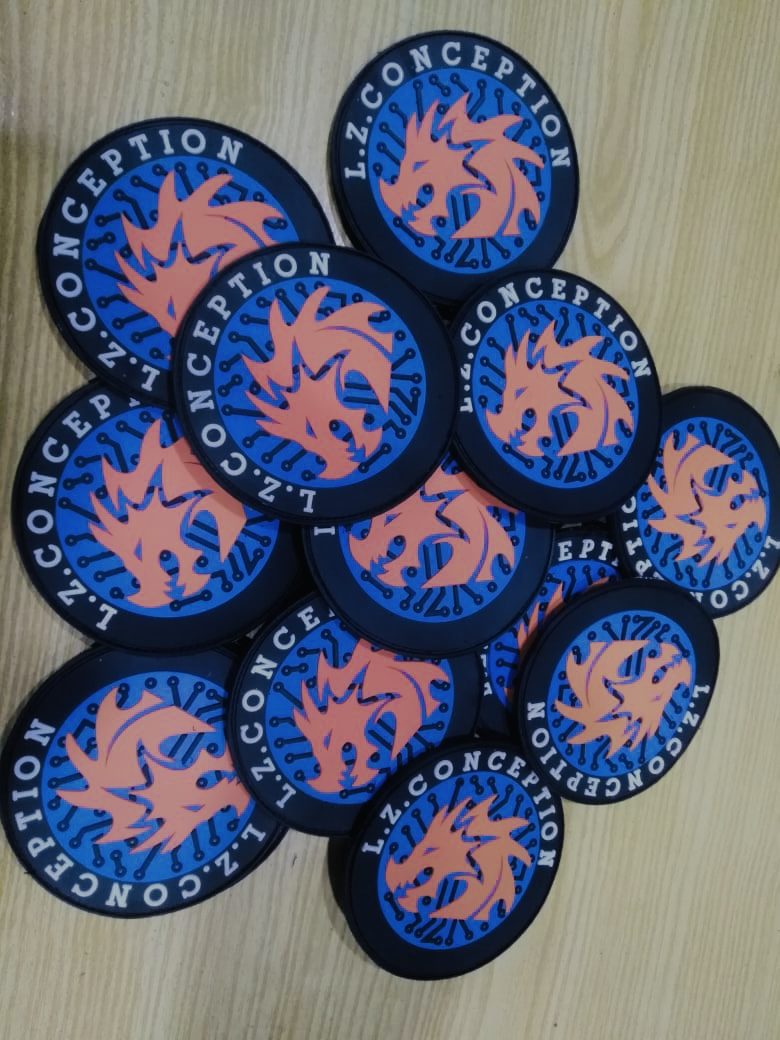
Yes, and it is a popular choice. The body, stripes, numbers, names and sponsors are sublimated, and one raised element, usually the club crest on the chest, is added as a sew-on patch. An embroidered patch gives the classic stitched texture, and a chenille patch gives the fluffy letterman look. You get a light, breathable jersey with one premium detail, without paying for twill on every letter.
We make custom embroidered patches, including chenille, with sew-on backing, so the crest and the jersey can be ordered together and matched in colour.
How do we decide before asking for quotes? A quick checklist
- 1.Look: does your club need raised numbers for tradition, or does a layered printed outline give the look you want?
- 2.Colours: does the design use more than three colours, gradients, camo or patterns? If yes, choose sublimation.
- 3.Comfort: will players wear the jersey for hard training in heat or under pads? Lighter is better, so lean to sublimation.
- 4.Names and numbers: will every jersey be different? Count the characters. Long rosters with names favour sublimation.
- 5.Sponsors: are there sponsor logos on the chest, sleeves or back? Printing them costs far less than stitching them.
- 6.Roster changes: will you need replacement jerseys during the season? Ask how top-ups are made and whether there is a minimum.
- 7.Premium detail: do you want one raised element? Add a sew-on embroidered or chenille crest to a sublimated jersey.
- 8.Colour matching: send Pantone references for your club colours. Our 14-page Pantone-referenced sublimation colour chart helps you pick exact shades.
- 9.Prototype: ask for a sample jersey with your real logo and one real name and number before bulk, and check it in the hand.
How does ordering sublimated jerseys from UZAS Sports work?
Send your logo, club colours and a rough idea of the design, or a photo of a jersey style you like. Our design team prepares your artwork for free, including classic layered numbers if you want the twill-style look. We then make a complimentary customised prototype with your logo for you to approve, so you can check the fabric, the fit and how the numbers read from a distance.
After you approve it, send one list of names, numbers and sizes. Bulk production usually takes 2 to 4 weeks in our own factory in Sialkot, which has been making sportswear since 2005, and shipping is free from 25 pieces. There is no minimum order, so a full squad, a junior team or a few replacements are all welcome.
Common questions
What is the difference between tackle twill and sublimated jerseys?
Tackle twill letters and numbers are cut from twill fabric and stitched onto the jersey, so they sit on top as a raised layer. On a sublimated jersey the whole design, including names and numbers, is printed into the polyester fabric, so nothing sits on the surface. Twill gives a classic textured look. Sublimation gives unlimited colours, a lighter jersey and nothing to lift or fray.
Is tackle twill more durable than sublimation?
They wear in different ways. Twill is thick and tough, but it depends on the stitching: after many hot washes and hard games, edges can start to lift or the thread can break. Sublimation has no added layer, so the print cannot crack, peel or lift. The fabric itself will wear eventually, but the colours stay in it.
Can a sublimated jersey look like tackle twill?
Yes, as far as artwork goes. Sublimation can print classic block numbers with two or three outline colours, the same layered shapes teams use for twill. It is flat to the touch, not raised. If you want one raised element, a sew-on embroidered or chenille crest is a common way to add texture to a sublimated jersey.
Which is cheaper, tackle twill or sublimated jerseys?
For most team designs, sublimation. Twill is priced by the number of letters, numbers and layers, because each piece is cut and stitched. Sublimation prints the whole jersey in one pass, so extra colours, sleeve numbers, names and sponsor logos do not add separate steps.
Is there a minimum order for custom sublimated jerseys?
Not with UZAS Sports. There is no minimum order, so you can order a full roster or a few replacement jerseys. You approve a complimentary customised prototype with your logo before bulk, bulk production usually takes 2 to 4 weeks, and shipping is free from 25 pieces.
- #TackleTwill
- #SublimatedJerseys
- #CustomJerseys
- #SublimatedTeamwear
- #HockeyJerseys
- #TeamUniforms
- #MadeInSialkot