Most patch orders do not go wrong because of the logo. They go wrong because of the small decisions around it: a patch that is too small for the lettering, an iron-on backing on a gi that is washed hot three times a week, or a border that fights the shape of the design. Each of those choices also changes the price, which is why two quotes for the "same" patch can look very different.
This guide walks through every question a patch manufacturer will ask you, in the order that makes sense, so you can send one clear request and get an accurate quote the first time. It is written for martial arts academies, sports clubs, schools, tactical and airsoft teams, fire and rescue crews, and clothing brands ordering patches in the USA, UK, Australia and Europe.
Where will the patch be worn?
Start here, because the answer decides almost everything else. A patch for a BJJ gi lapel, a cap front, a work jacket and a plate carrier need different sizes, materials and backings. Write down every garment or item the patch will go on and how it will be used:
- Uniforms and gis that are washed often and hot: you need a strong backing and a durable edge.
- Caps and beanies: a small, wide shape that sits on a curved front.
- Jackets, hoodies and bags: room for a larger chest or back patch.
- Tactical vests, plate carriers and airsoft or paintball gear: hook-and-loop backing and a material that copes with rain and mud.
- Merch to sell at the front desk or online: a patch that looks good in the hand and in photos, often with special effects.
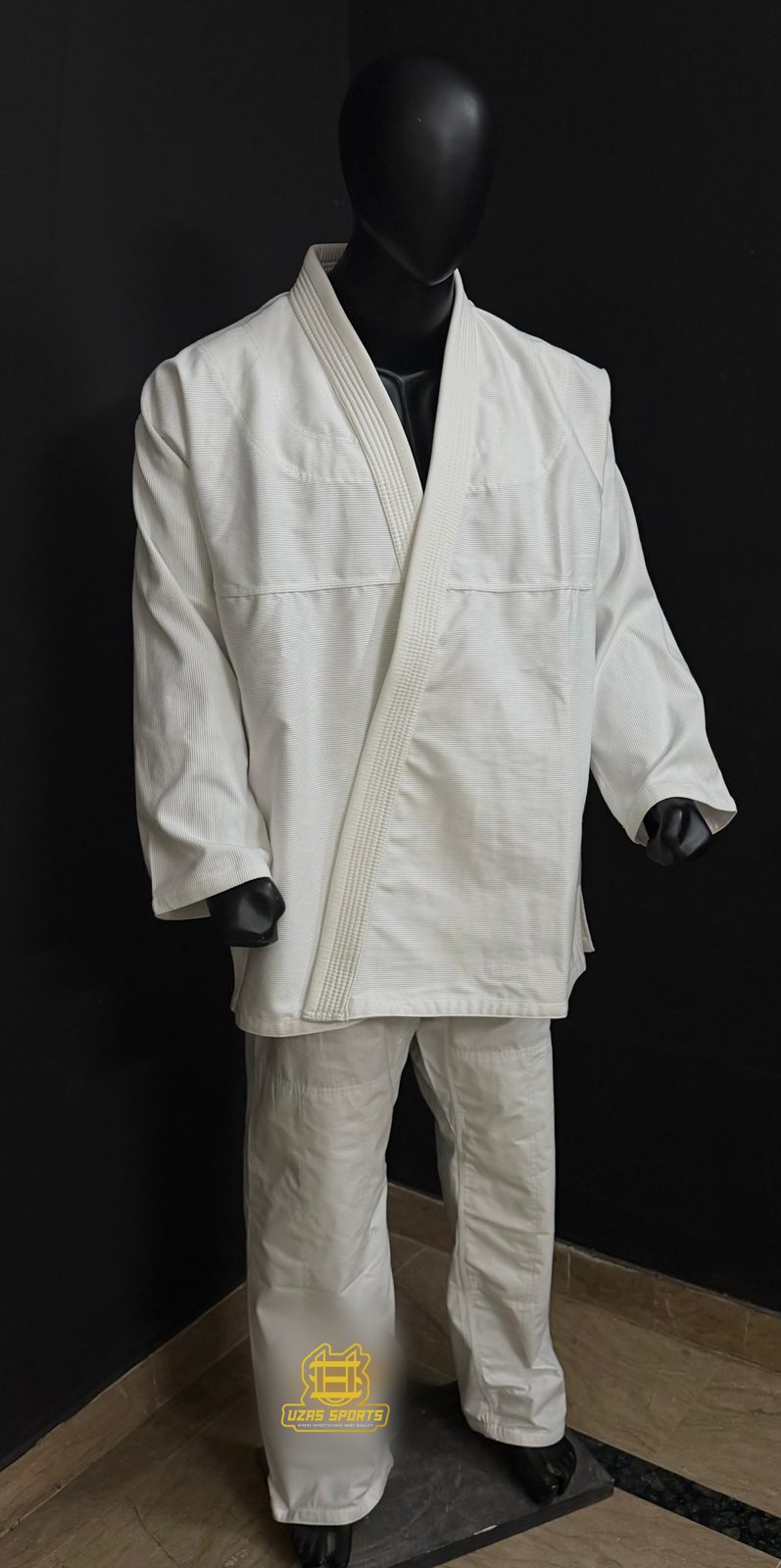
If you are putting patches on a martial arts uniform, our BJJ gi patch placement guide shows the usual positions and sizes on a gi, including the areas competition rules allow.
Embroidered, woven or PVC patches: which type should we order?
The patch type sets the look, the level of detail and how the patch survives wear. In short:
- Embroidered: raised, textured thread on a twill base. The classic choice for uniforms, gis, club jackets and caps.
- Woven: thinner thread woven tightly, so it holds fine detail and small text that embroidery cannot. Good for detailed crests and brand labels.
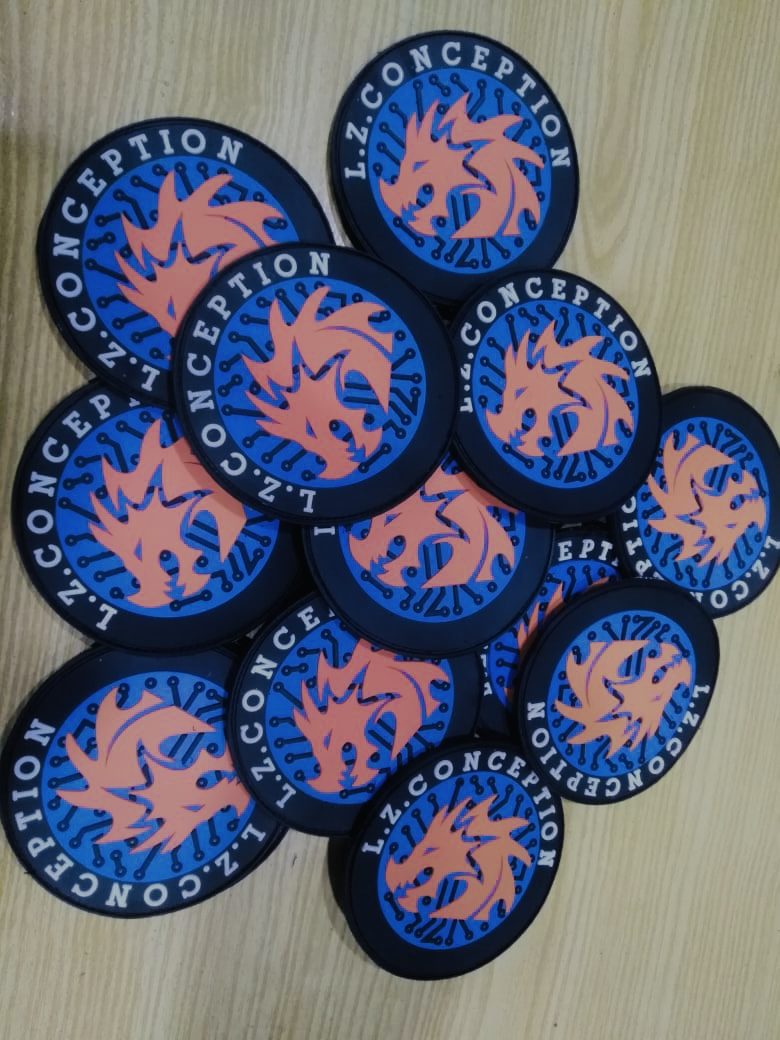
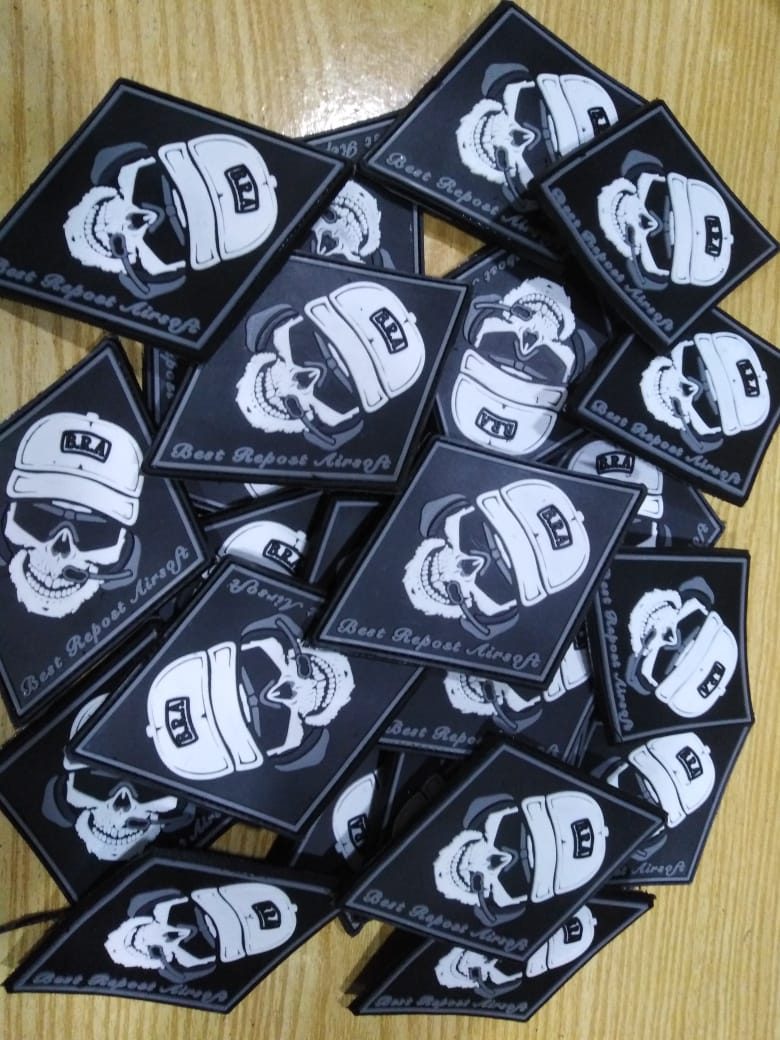
- PVC: soft, flexible rubber made in a mould, flat (2D) or raised in layers (3D). Waterproof and very durable, so tactical, airsoft, paintball and outdoor teams choose it.
- Chenille: thick, fluffy varsity-style lettering for jackets and hoodies.
- Leather: a premium look for caps, bags and denim.
If you are deciding between PVC and embroidered patches specifically, the full comparison is in our guide to embroidered vs woven vs PVC patches. A quick rule: if the patch will get wet or dirty, or needs sharp raised detail, choose PVC. If it goes on a uniform and should look traditional, choose embroidery. If the logo has tiny lettering, choose woven.
What size should our custom patch be?
Measure the actual space on the garment with a ruler, and give the patch maker both the width and the height. Then check the smallest detail in your logo at that size. As a starting point:
- Left chest, sleeve or shoulder: usually about palm size.
- Cap front: smaller and wider than it is tall, so it sits on the curve of the crown.
- Gi lapel, trousers or belt bar: small and narrow; follow the placement guide for your style.
- Jacket or hoodie back: a large patch that can carry the full club crest.
- Hook-and-loop tactical patches: sized to the loop panel on the vest, bag or carrier.
The most common sizing mistake is shrinking a detailed crest until the club name turns into a blur. If the lettering will be smaller than a few millimetres tall, either make the patch bigger, simplify the design, or switch to a woven patch. We prepare the patch artwork for free, so ask us to show you how the design will look at the size you have chosen.
Which backing should we choose: sew-on, iron-on or Velcro?
The backing decides how the patch is attached and how long it stays there.
- Sew-on: the strongest option. Best for gis, uniforms and workwear that are washed often, and the right choice if we are applying the patches in the factory.
- Iron-on: a heat-activated adhesive layer. Quick for cotton t-shirts, denim and casual merch, and easy for customers who buy patches on their own. It is not the best choice for garments washed hot every week, or for performance fabrics that do not like high heat.
- Hook-and-loop (Velcro): the patch has the hook side and the garment has the loop side, so you can swap patches between jackets, vests, bags and carriers. Standard for tactical, airsoft and paintball gear, and useful for rank or role patches that change.
- Adhesive (PVC): a peel-and-stick option for some PVC patches used on hard surfaces or packaging.
If one design goes on several products, you can order the same patch with two backings, for example sew-on for academy gis and hook-and-loop for team bags.
Merrowed or laser-cut border: what is the difference?
On embroidered and woven patches, the edge finish matters more than most buyers expect.
- Merrowed border: a thick, wrapped stitch around the edge. It looks classic and is very durable, and it suits simple shapes such as circles, squares, rectangles, ovals and shields.
- Laser-cut (cut-to-shape) border: the patch is cut along the outline of the design, with a flat edge. Use it for complex shapes, sharp points and logos where a merrowed edge would round off the details.
PVC patches do not need a stitched border. Their edge is formed by the mould, so they can follow almost any outline.
How many patches should we order?
Work out what you need now, then add a small buffer. A simple way to plan:
- 1.Count the garments you are making or already have (for example every student gi, every team jacket).
- 2.Multiply by the number of patches per garment, design by design.
- 3.Add spares for new members, replacements and mistakes, so you are not reordering a handful next month.
- 4.If you sell patches as merch, start with a batch you are confident of selling and reorder what moves.
Because UZAS Sports has no minimum order, you do not have to buy hundreds of a design you are testing. Shipping is free from 25 pieces, counted across the order, so it often makes sense to order patches together with your gis, hoodies or teamwear.
What changes the price of a custom patch?
Patch quotes are built from a few clear factors. Knowing them helps you compare quotes fairly and decide where to save:
- Size: bigger patches use more thread or PVC and take longer to make.
- Patch type: embroidered, woven, PVC, chenille and leather all cost differently.
- Embroidery coverage: a patch fully covered in thread costs more than one where part of the twill base shows through.
- Number of colours and layers, especially on 3D PVC patches.
- Backing and border: hook-and-loop and special borders add to the cost.
- Special effects: glow-in-the-dark, metallic thread or PVC, and reflective materials.
- Set-up: each PVC design needs its own mould, so the cost per patch drops as the quantity goes up.
- Quantity: the per-piece price steps down as quantities rise.
When you compare manufacturers, make sure every quote covers the same size, type, coverage, backing and quantity, and check whether delivery is included.
What should we check on the prototype?
Before bulk production, we make a complimentary customised prototype of your patch for you to approve. Check it against this list:
- Colours match your logo, especially the main brand colour.
- Every word is readable, including the smallest text.
- The size works on the actual garment, cap or vest. Hold it in place.
- The border is neat and follows the shape properly.
- The backing is the right type and attaches as expected (stitch it, press it, or try the hook-and-loop).
- For PVC: the raised layers and any glow or metallic effects look the way you want.
Write down any changes clearly. It is far cheaper to fix a colour or a letter on the prototype than after the full batch is made.
Your custom patch quote checklist
Copy this into your quote request and you will usually get a complete quote in one reply:
- Logo file (vector if you have it; a clear image is fine, we prepare the artwork for free).
- Where the patch will be worn, and on which garments or items.
- Patch type: embroidered, woven, PVC, chenille or leather (or ask us to recommend one).
- Size: width and height.
- Backing: sew-on, iron-on, hook-and-loop or adhesive.
- Border: merrowed or laser-cut (for embroidered and woven).
- Quantity for each design and each backing.
- Special effects such as glow-in-the-dark or metallic.
- Whether you also want the patches sewn onto garments we make for you.
- Delivery country and the date you need them.
How UZAS Sports makes custom patches
UZAS Sports has made patches and sportswear in our own factory in Sialkot, Pakistan since 2005. We make custom embroidered patches, woven, chenille, leather and reflective patches, and custom PVC patches in 2D and 3D, in any shape, with sew-on, iron-on or hook-and-loop backing. We also make the gis, uniforms, hoodies, caps and teamwear the patches go on, and can apply them in the factory.
There is no minimum order, our team prepares your artwork for free, and you approve a complimentary customised prototype before bulk production, which usually takes 2 to 4 weeks. Prototypes and urgent orders travel by air freight and larger orders by sea freight, and shipping is free from 25 pieces. We have a showroom in Sialkot and booking offices in Melbourne and Chicago that take quotes, orders and enquiries, and we accept bank transfer, PayPal, Visa, Mastercard and Amex.
Common questions
What information do I need to order custom patches?
Send your logo file, the size you want (width and height), the patch type (embroidered, woven, PVC, chenille or leather), the backing (sew-on, iron-on or hook-and-loop), the quantity for each design and the date you need them. If you are unsure about any of these, tell us where the patch will be worn and we will suggest the right option.
What size should a custom patch be?
It depends on where it goes. A left-chest or sleeve patch is usually about the size of a palm, a cap front patch is smaller and wider than it is tall, and a jacket back patch is much larger. Measure the space on the garment, then check that the smallest text in your logo is still easy to read at that size.
Which patch backing is best: sew-on, iron-on or Velcro?
Sew-on is the strongest choice for uniforms and gis that are washed often. Iron-on is quick for cotton and casual wear, but it is not the best choice for garments that are washed hot every week or for heat-sensitive performance fabric. Hook-and-loop (Velcro) lets you move patches between jackets, vests, bags and plate carriers.
Is there a minimum order for custom patches?
Not with UZAS Sports. There is no minimum order, so you can order a small first batch, test it, and reorder later. Shipping is free from 25 pieces.
Can I see the patch before the full order is made?
Yes. We prepare your artwork for free and make a complimentary customised prototype with your logo for you to approve. Bulk production starts only after you approve it and usually takes 2 to 4 weeks.
Can you sew the patches onto our uniforms?
Yes. If we are also making your gis, jackets, hoodies or teamwear, we can apply the patches in the factory so the garments arrive ready to wear.
- #CustomPatches
- #PatchManufacturer
- #EmbroideredPatches
- #PVCPatches
- #VelcroPatches
- #ClubMerch
- #MadeInSialkot