Sublimation · 2 min read · 1 October 2026
What is sublimation printing? A plain guide for team managers
Why sublimated jerseys never crack, peel or fade, what fabric they need, and how to tell if it's the right choice for your club.
If you've ordered team kits before, you've probably heard the word sublimation. It's how most modern jerseys, rash guards and cycling kits are printed, and it's the process we use for our sublimated teamwear. Here's what it actually means, in plain terms, so you can order with confidence.
How sublimation printing works
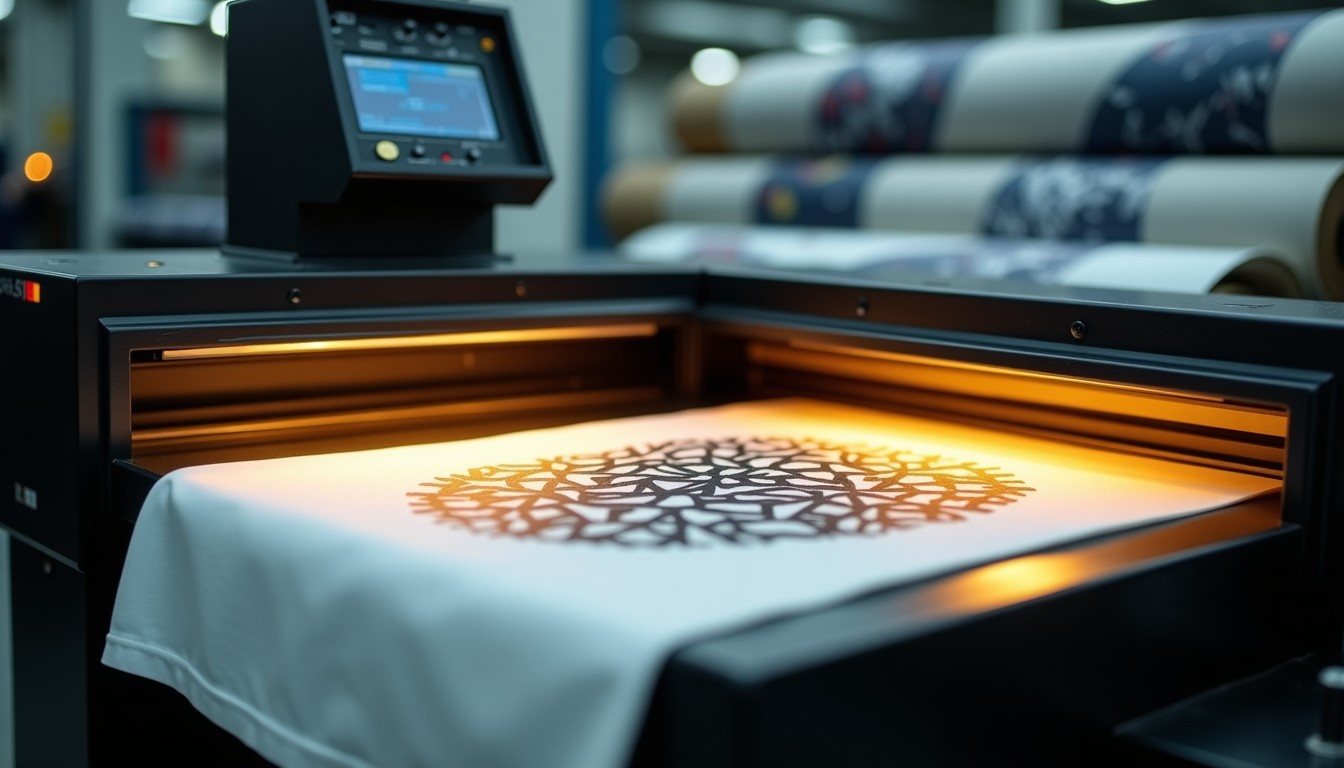
Your design is printed onto special transfer paper using sublimation inks. The paper is laid on the fabric and pressed with heat and pressure. At that temperature the ink turns into a gas, the polyester fibres open up, and the ink bonds inside them. When the fabric cools, the design is locked into the fibre itself.
Because the print is inside the fabric rather than sitting on top, you can't feel it. The shirt stays as light and breathable as the blank fabric.
Why teams choose sublimated kits
- It won't crack, peel or fade. There is no ink layer to break down, even after a full season of washing.
- Unlimited colours. Gradients, photos, patterns and sponsor logos cost the same as a single colour.
- Edge-to-edge designs. The print can run across seams, sleeves and collars.
- Names and numbers for every player are printed in the same pass, so every shirt in the roster can be different.
- Lightweight and breathable, which matters in summer sports and combat sports.
What sublimation needs: polyester
Sublimation only works properly on polyester or high-polyester blends, usually in white or light base fabric. That's why nearly all performance sportswear is polyester anyway. If you need a cotton feel, for example on casual team tees, screen printing or embroidery is the better choice. We can advise on which suits each piece of your kit.
What can be sublimated?
Almost any polyester garment. The most common items we make are team jerseys for football, basketball, cricket and netball, running singlets, rash guards and compression tops, fight shorts, cycling kits, warm-up jackets and long sleeve fishing shirts.
Is sublimation right for your team?
If you want bold designs, individual names and numbers, and a kit that still looks new at the end of the season, sublimation is almost always the right call. If you only need a small logo on a cotton tee, a simpler print method may suit better.
Want to see your design on a real garment first? Upload your logo or artwork and preview it in seconds.
Try the AI mockup studioCommon questions
Does sublimation printing fade in the wash?+
No. The ink turns into a gas and bonds with the polyester fibres, so the design is part of the fabric rather than a layer on top. There is nothing to crack, peel or wash off.
Can you sublimate on cotton?+
Not properly. Sublimation needs polyester or a high-polyester blend. On cotton the ink has nothing to bond with, so the print comes out pale and washes out.
Does a full-colour sublimated design cost more than a simple one?+
No. The whole garment is printed in one pass, so a design with twenty colours and gradients costs the same to print as a plain one.
Related products