Sourcing · 5 min read · 7 October 2026
Sourcing sportswear from Sialkot, Pakistan: how to choose a manufacturer and place your first order
Dozens of Sialkot suppliers, all saying they're the factory. Here's how to check them, what to ask and how to place a safe first order.
You search for a sportswear manufacturer and Sialkot comes up again and again. Within an hour you have twenty tabs open, and every supplier says the same thing: own factory, best quality, fast delivery. Half of them use the same product photos. You don't know who actually sews the garments, whether the sample will match the bulk order, or what happens if something goes wrong when the factory is thousands of kilometres away.
That uncertainty is the real cost of sourcing overseas. This guide walks through how to check a Sialkot supplier, the questions to ask before you pay anything, and how to set up a first order that protects your gym, club or brand.
Why do so many buyers source sportswear from Sialkot?
Sialkot, in Punjab, Pakistan, has been a sports goods city for generations. The skills and suppliers a sportswear factory needs, from fabric and trims to sublimation printing, embroidery, leather work and stitching, are close together. That's why the same city makes martial arts uniforms, boxing and MMA gloves, sublimated team kits and custom patches.
For a buyer, this means one supplier can often make your whole range. An MMA gym can order gis, rash guards, fight shorts, gloves and patches from one factory, with one point of contact and one shipment.
How do I tell a real factory from a trading company?
Trading companies aren't bad in themselves, but you should know who you're dealing with. When a trader passes your questions on to a factory you never speak to, details get lost and fixing problems takes longer.
Ask what they do in-house
Ask which steps happen under their own roof: design, cutting, printing, stitching, embroidery and final checks. A factory can describe its process in detail. A vague answer like "we handle everything" is a reason to dig deeper.
Ask to see production
Request photos or a short video call from the production floor, ideally showing a garment like yours being made. Product photos on a website prove very little, because they're easy to copy.
Ask specific technical questions
Ask about fabric weight, weave and composition. For example, what gsm is the gi, and is it pearl weave? What fabric is the rash guard printed on? A supplier who makes the product can answer straight away.
Check their history and contact details
Look for a physical address, how long they've been operating, and whether they have a showroom or contact in your region. It's easier to resolve issues with a supplier that has a long track record and a real local presence.
What should I ask before placing an order?
Get these answers in writing before you pay anything:
- Minimum order: per design, per colour or per size? Some factories have high minimums, others have none.
- Samples: are they free or paid, and will they carry your logo and design, or just be a stock example?
- Fabric specification: weight (gsm), weave and fibre content for each item, written on the quote.
- Print and branding method: sublimation, screen print, embroidery or patches, and why that method suits the product.
- Size chart: the manufacturer's own measurements, not just S to XL or A1 to A4 labels.
- Production timeline: a written date for sample approval, production start and dispatch for your order.
- Private label: whether they can supply your own neck labels, swing tags and packaging.
- Shipping: air or sea, who pays, and what's included in the price.
How do samples work, and why do they matter so much?
The approved sample is your quality reference for the whole order. If the bulk garments don't match it, the sample is your proof. Treat it seriously:
- 01Order a sample of each product, in the fabric and print method you plan to use for bulk.
- 02Wear it, train in it and wash it a few times the way your customers will.
- 03Check the stitching at stress points, the print or embroidery after washing, and the fit against the size chart.
- 04Approve it in writing, listing any changes, and keep the sample so you can compare it with the bulk order.
For martial arts gear, washing the sample matters most. Our guide on why BJJ gis shrink explains how to wash-test a gi before you order a full academy run.
What does shipping from Pakistan look like?
There are two main options. Air freight is faster and suits samples, small orders and anything with a tight deadline. Sea freight is usually more economical for large, heavy bulk orders when you can plan ahead.
Import duties and taxes are set by your country and are normally the importer's responsibility. Rates vary by product and destination, so ask your customs broker or customs authority before you finalise prices for your customers. Make sure the supplier's invoice clearly describes each item, as this makes customs clearance smoother.
Which products are worth sourcing from Sialkot?
Martial arts uniforms and gear
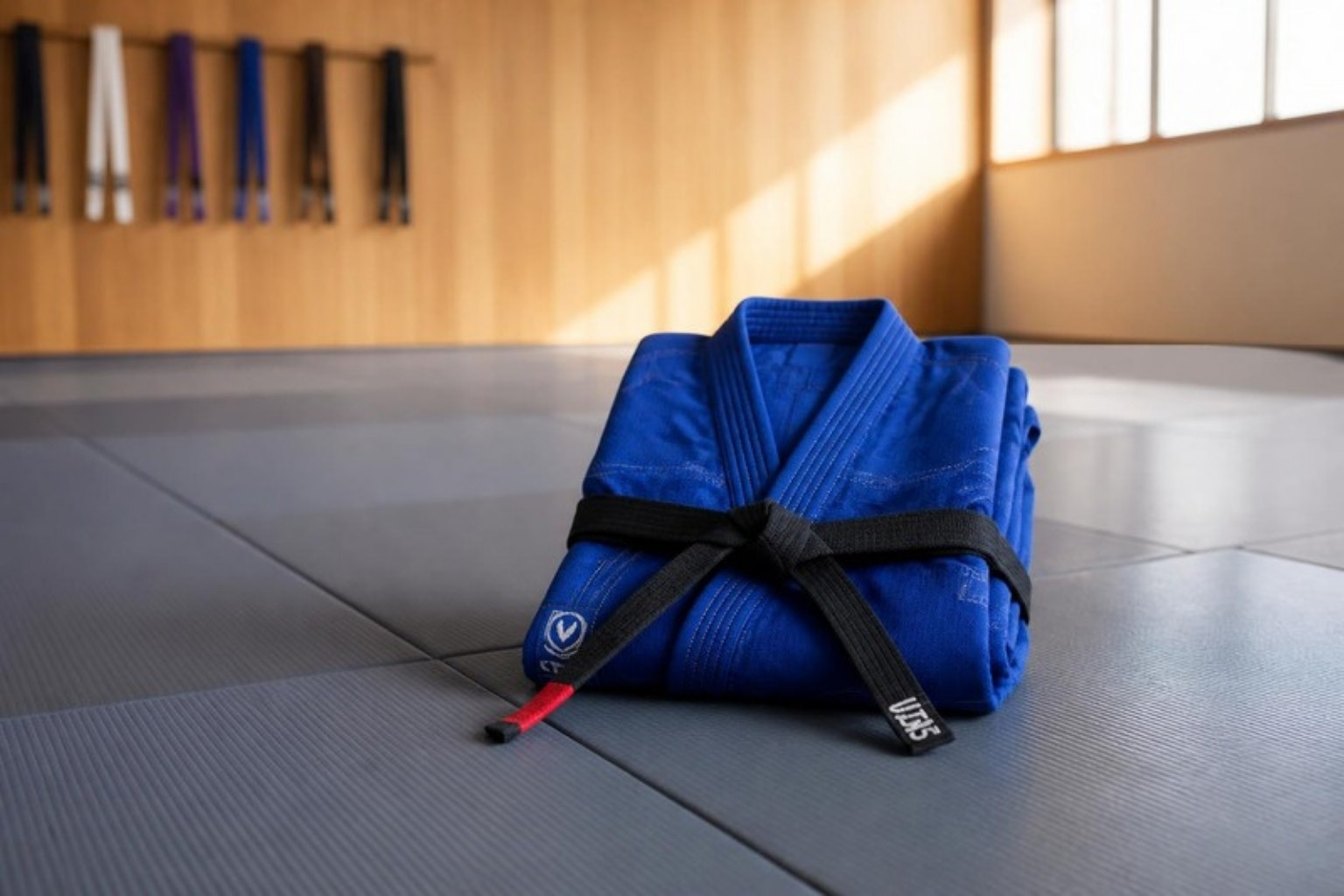
BJJ gis, karate and judo uniforms, belts, rash guards and fight shorts are a Sialkot speciality. Ask about weave, weight and reinforcement at stress points, and check the collar and stitching on the sample.
Sublimated team kits and rash guards
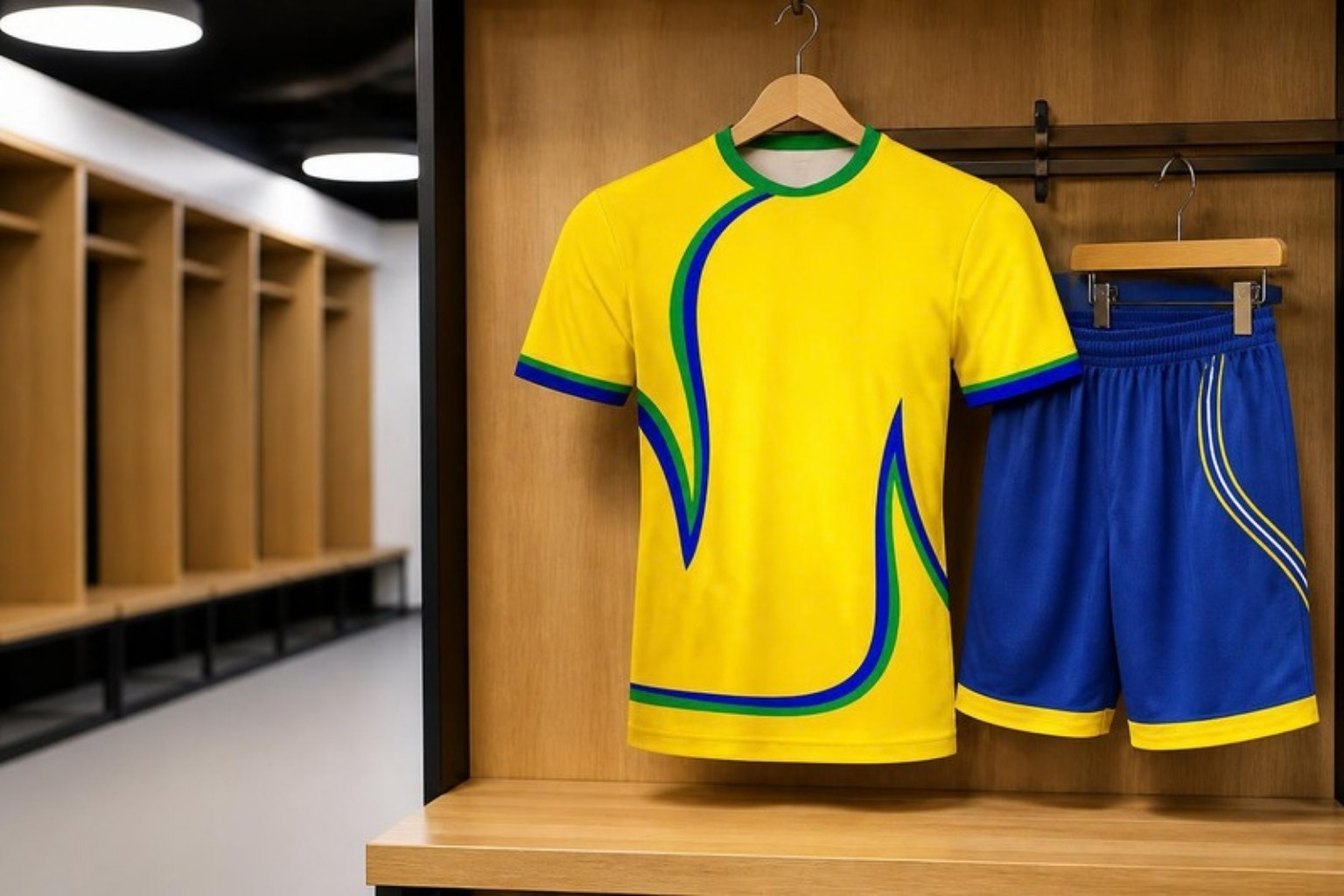
Sublimation prints the design into polyester fabric, so it doesn't crack or peel when the fabric stretches. That makes it a good fit for team jerseys, rash guards, compression tops and fight shorts with full colour designs. If you're new to the process, start with our plain guide to sublimation printing.
Gloves and patches
Boxing and MMA gloves and custom patches are also commonly made in Sialkot, so you can add branded gloves or academy patches to the same order.
Planning a team kit order? Read our guide to the most common custom kit mistakes before you start.
Avoid kit mistakesHow do I place a safe first order?
- 01Shortlist two or three suppliers who answered your technical questions clearly.
- 02Order samples with your own logo and design from each.
- 03Compare quality, communication and how they handled any changes.
- 04Start with a small first batch, even if your supplier can make thousands.
- 05Scale up once your customers are happy and the bulk order has matched the approved sample.
Why buyers work with UZAS Sports
UZAS Sports has run its own factory in Sialkot since 2005, with showrooms in Sialkot and Melbourne. We make martial arts uniforms, sublimated team kits, apparel, gloves, paintball gear and custom patches. There's no minimum order, samples are free and customised with your logo, design help is free, and orders of 25 pieces or more ship free. Samples and urgent orders go by air freight; bulk orders can go by sea. Our standard BJJ gi is a 450 gsm pearl weave, and our sublimated garments are printed into the fabric so the design doesn't crack or peel.
Sourcing sublimated team kits or rash guards? See what we make and request a free sample with your logo.
See sublimation rangeHave a product list or a design in mind? Send it to us and we'll come back with fabric options and a sample plan.
Contact our teamCommon questions
Why is so much sportswear made in Sialkot?+
Sialkot has been a sports goods manufacturing city for generations. Stitching, cutting, printing, embroidery and leather work are all available locally, so a factory there can make gis, gloves, team kits and patches without sending work across the country.
Is there a minimum order when buying from a Sialkot manufacturer?+
It depends on the factory. Many set a minimum per design or per colour. UZAS Sports has no minimum order, so you can start with a single piece or a small test batch before ordering in bulk.
How do I know a supplier is a real factory and not a trading company?+
Ask what they do in-house (cutting, printing, stitching, quality checks), ask for photos or a video call from the production floor, and ask how long they've been operating. A real factory can answer specific questions about fabric, print method and production steps without needing to check with someone else.
Should I ship by air or by sea from Pakistan?+
Air freight is faster and suits samples, small orders and urgent deadlines. Sea freight is usually more economical for large bulk orders that aren't time-sensitive. Ask your supplier to quote both if you're unsure.
Who pays import duties when ordering from Pakistan?+
Import duties and taxes are set by the buyer's country and are normally paid by the importer. Rates depend on the product and your country's rules, so check with your customs broker or local customs authority before you order.
Can a Sialkot factory make my own private label brand?+
Yes, most sportswear factories in Sialkot offer private label. Ask for your own neck labels, swing tags and packaging, and approve a sample with your full branding before bulk production starts.
- #MadeInSialkot
- #SialkotManufacturer
- #SportswearSourcing
- #SportswearManufacturer
- #PrivateLabelSportswear
- #SublimatedTeamwear
- #CustomBJJGi
- #UZASSports
Related products