Patches finish a uniform. The right type depends on your logo, where it's going and how much wear it will take.
The main patch types
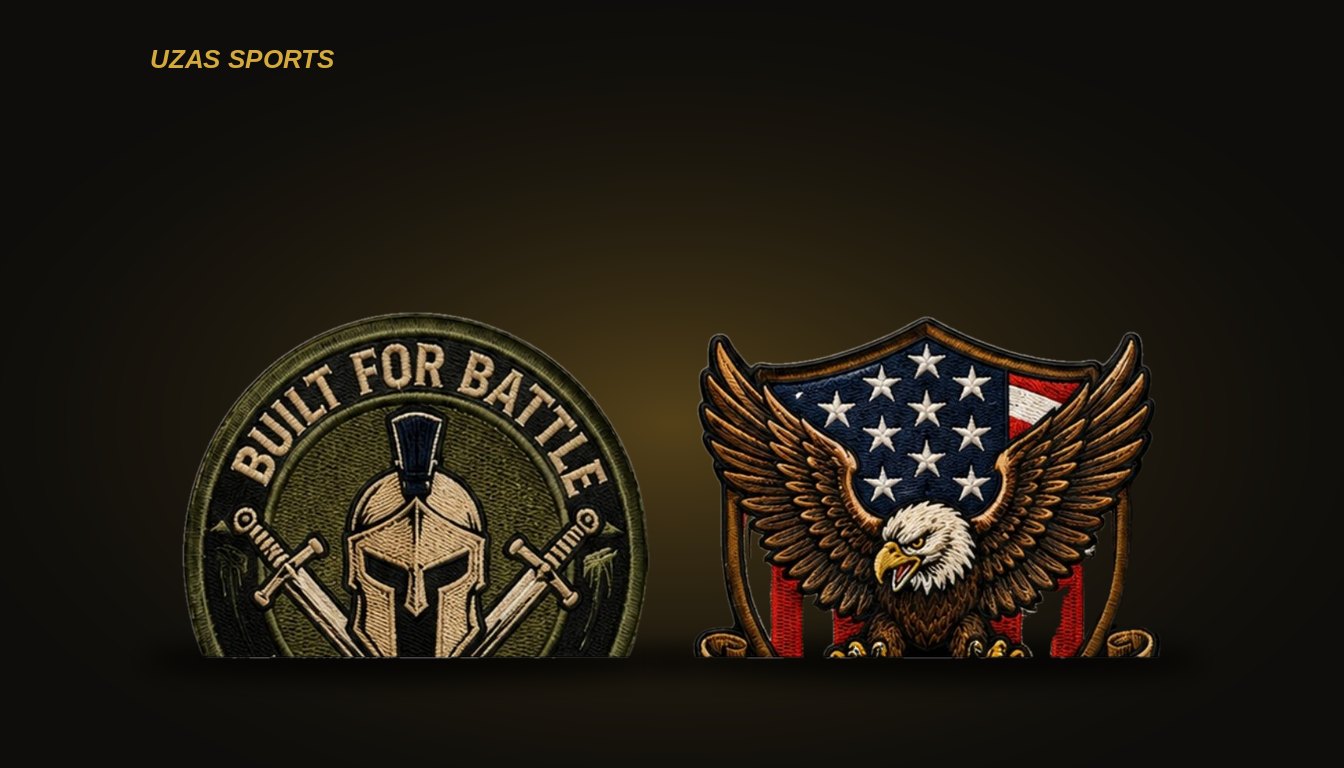
Embroidered
The classic. Thread is stitched onto a twill base for a raised, textured look. Best for bold logos with clear shapes. Very fine text can get lost, so keep lettering a reasonable size.
Woven
Thinner threads woven together give a flat, smooth patch that holds small text and fine detail far better than embroidery. A good choice for detailed crests.
PVC
Soft moulded rubber. Waterproof, bright and very durable, which makes it popular for tactical gear, paintball and outdoor use. See real examples, including 3D and glow-in-the-dark designs, on our custom PVC patches page.
Leather
Debossed or printed leather gives a premium look on caps, bags and jackets.
Chenille
Thick, fluffy, letterman-style patches, great for jackets and hoodies.
Choosing a backing
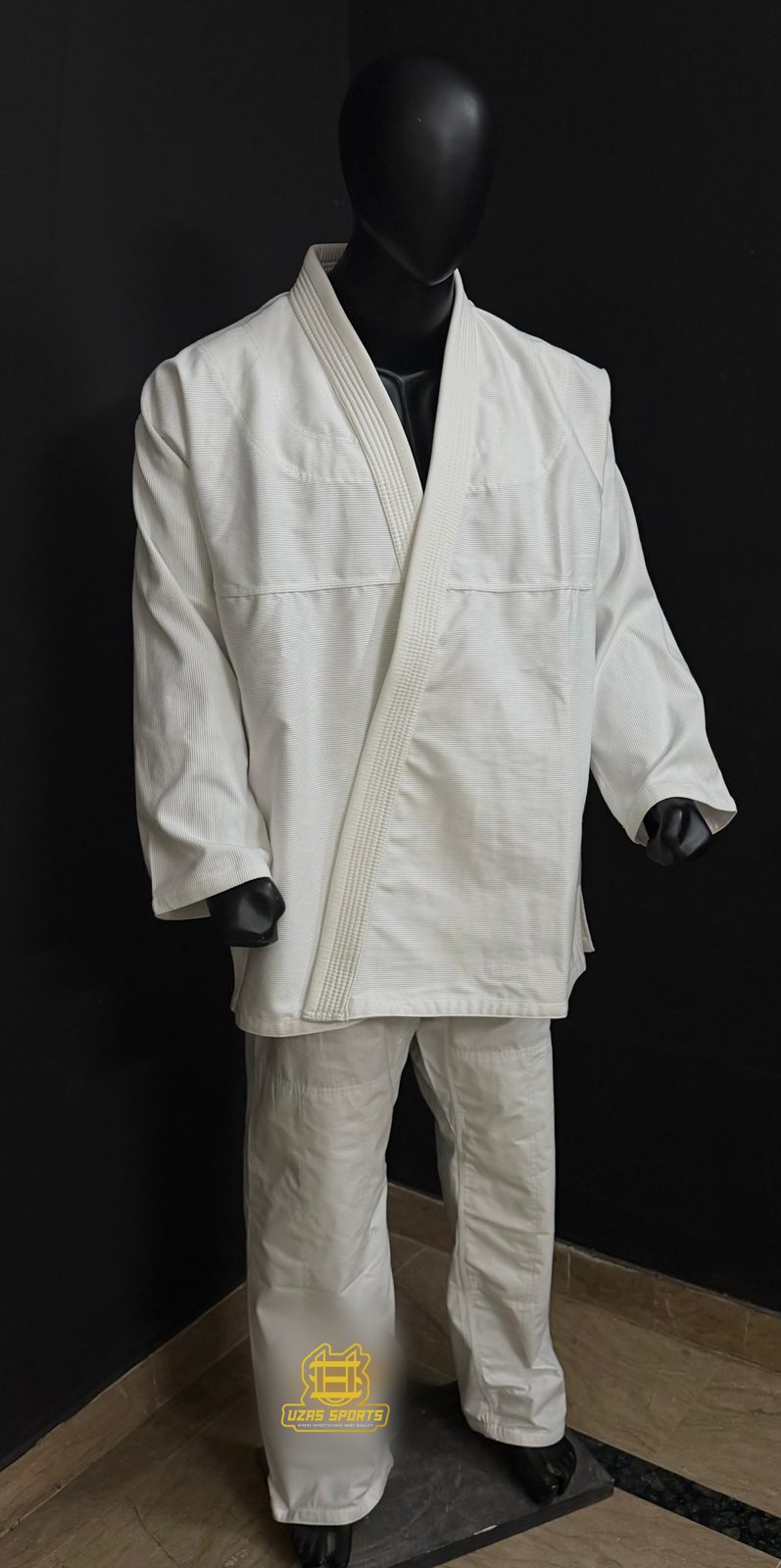
- Sew-on: the most secure option. Best for gis, uniforms and anything washed often.
- Iron-on: quick to apply, fine for casual wear, less durable over many washes.
- Hook and loop (velcro): swappable. The standard for tactical vests, bags and caps.
Quick guide
- Martial arts gis: embroidered or woven, sew-on.
- Team jackets: chenille or embroidered.
- Tactical and paintball gear: PVC or embroidered, hook and loop.
- Caps and bags: PVC or leather.
How each patch type is made
Embroidered patches are stitched on multi-head embroidery machines, with thread built up over a twill base for a raised finish. Woven patches are made on a loom with much finer thread, so they're flat and smooth. PVC patches start with a mould cut from your artwork; each colour is filled into the mould, layer by layer, then cured. Because the mould is reusable, PVC re-orders are quick and every patch comes out identical.
Borders and edges
- Merrowed border: the classic overlocked edge, for round, square and simple shapes.
- Hot-cut or laser-cut edge: follows complex outlines closely, used for detailed shapes.
- Moulded edge: PVC patches carry their border in the mould, so any shape is possible.
Size and detail
As a rule of thumb, embroidered text needs to stay fairly large to read clearly, while woven patches can carry much smaller lettering. If your logo has thin lines or fine text, choose woven or PVC, or ask us to simplify the artwork for embroidery. We'll send a digital proof before anything is made.
Matching the patch to how it's used
Think about how the patch will be washed and handled. Gis and uniforms washed every week need a sew-on patch that won't lift. Tactical vests and bags usually use hook-and-loop (velcro) backing so patches can be swapped. Caps suit PVC or leather, which hold their shape on a curved front. For tactical and outdoor gear, see our custom PVC patches; for uniforms and gis, see custom embroidered patches.
What to send for a patch quote
- Your logo or artwork.
- The size you want (width or height in inches or centimetres).
- Patch type and backing, or tell us where it's going and we'll recommend one.
- Quantity and the date you need them.
Common questions
Which patch type is best for small text?
Woven. Its finer threads hold small lettering and fine detail far better than embroidery, so it suits detailed crests and logos with small text.
Are PVC patches waterproof?
Yes. PVC patches are moulded soft rubber, so they don't absorb water, fray or fade, which is why they're the standard for tactical gear, paintball and outdoor equipment.
Is there a minimum order for custom patches?
No. There's no minimum order, and you approve a complimentary prototype before bulk production.