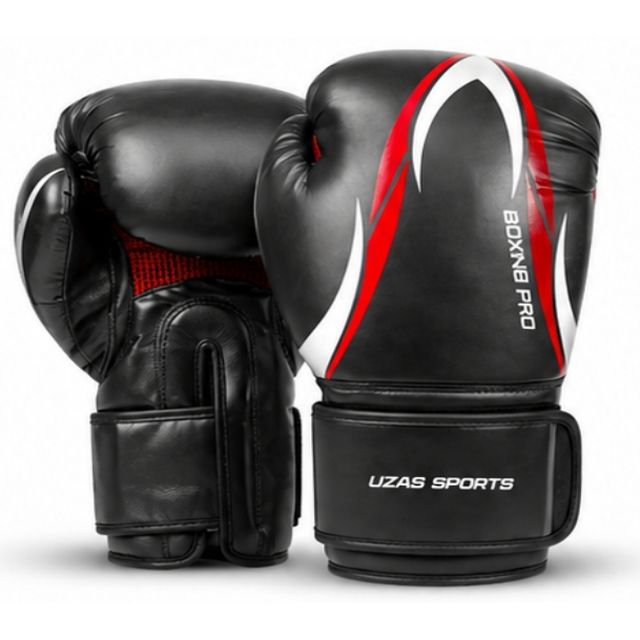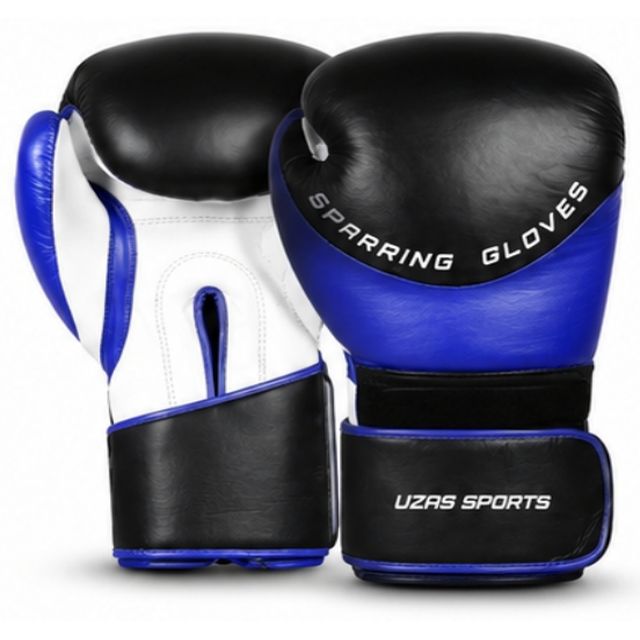
You have asked three manufacturers to quote for 50 pairs of custom 12 oz boxing gloves with your gym logo. The quotes come back far apart, and every supplier says theirs is the better glove. In most cases the biggest single difference is the outer material: genuine leather or synthetic leather, usually called PU.
Pick the wrong one and you pay for it twice. Leather gloves in a hire box that nobody dries properly start to smell and stiffen. PU gloves sold to members who train six days a week wear out sooner than they expected, and they blame your brand. This guide explains how the two materials really compare for a gym, club or brand order, and how to choose the right mix before you sign off a prototype.
What is the difference between leather and synthetic boxing gloves?
Genuine leather is tanned animal hide. It is a natural material with a fibrous structure, so it flexes, breathes a little and slowly moulds to the shape of the hand that wears it. That is the break-in feel experienced boxers talk about.
Synthetic leather is a man-made material. The most common type in boxing gloves is PU (polyurethane): a fabric backing with a polyurethane coating that is pressed and finished to look like leather. You will also see it sold as faux leather, vegan leather or simply synthetic. It feels consistent from the first session and comes in a wide range of colours and finishes, including matte, gloss and metallic.
Inside, both kinds of glove can be built the same way: layered foam padding over the knuckles, an attached or loose thumb, a lining and a Velcro or lace-up closure. So material is only part of what makes a good glove, but it is the part your members feel and see first.
Which lasts longer in a busy gym?
Under heavy daily use, genuine leather usually lasts longer. Leather can be cleaned, dried and conditioned, and it tends to soften rather than break at the points where the glove flexes most, such as the knuckle crease and the base of the thumb.
PU is tough and handles normal class use well, but the coating can eventually crack or peel at the same flex points, especially on gloves that are packed away wet. That does not make PU a poor choice. It means PU suits gloves that are used a few times a week or shared and replaced on a cycle, while leather suits gloves that one person trains in almost every day.
Whatever the outer, the build matters as much as the material. Ask each manufacturer whether the glove is leather or PU all over or only on the strike area, how the padding is layered and how the cuff and thumb are stitched. We cover those questions in more detail in our guide to custom boxing gloves for gyms and clubs.
Which is better for hygiene and a shared hire box?
For a hire box, PU is the practical choice. The coated surface does not soak up sweat in the same way, so a quick wipe with a mild cleaner between classes keeps it presentable. Because PU gloves cost less per pair, you can also buy enough sets to rotate them and let each pair dry out before it is used again.
Leather gloves stay fresh when one person uses them, wears hand wraps and airs them out after every session. Passed from hand to hand in back-to-back classes, they rarely get the drying time they need. For either material, the inside is what causes smells, so ask about the lining and plan your gym's drying routine as part of the order.
How does the material change the price of a glove order?
Genuine leather costs more than PU, so a leather glove is the more expensive glove when everything else is equal. But everything else is rarely equal. Padding layers, lining, closure, thumb construction, the branding method and your packaging all move the price. Two leather gloves can be priced very differently, and a well built PU glove can be a better buy than a poorly built leather one.
The useful question is not "which is cheaper" but "which material does each customer need". Spending on leather for hire gloves that will be replaced anyway wastes budget. Selling members a PU glove as a premium fight glove costs you trust. Splitting the order by customer usually gives you the best value.
Which should a gym, club or brand choose?
Use this as a quick decision guide. Most buyers end up with both materials in one order.
- Hire box and trial classes: PU. Lower cost per pair, easy to wipe clean, simple to replace.
- Fitness boxing and boxercise classes: PU. Bag and pad work a few times a week suits PU well, and bright colours and finishes help the class look branded.
- Kids' classes: PU in smaller sizes. Children grow out of gloves quickly, so the lower cost makes more sense.
- Members who train most days: genuine leather. They feel the difference after the break-in and the glove lasts longer under daily use.
- Fight team and sparring gloves: genuine leather in the weights your coaches and federation require.
- A new glove brand: a PU training glove for beginners and fitness customers, plus a leather glove for a pro or fight line. Our guide to starting a private label boxing glove brand walks through that range plan.
- A vegan or animal-free line: PU. If you plan to market it as vegan, tell the manufacturer at the quote stage so every part of the glove is chosen with that claim in mind.
Does the logo look different on leather and PU?
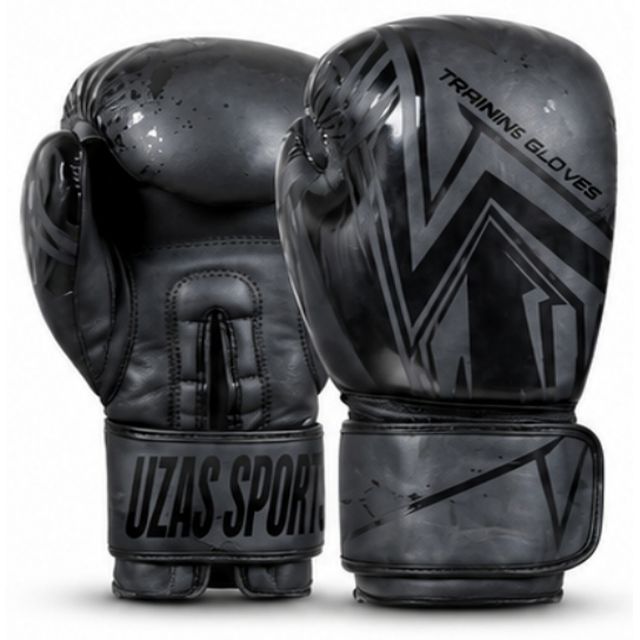
Your branding options are similar on both, but each material has its strengths. A printed logo works on leather and PU in any colour and is the most flexible option for detailed artwork. Embroidery on the cuff gives a stitched, raised finish on either material. A debossed logo, pressed into the surface, looks understated and premium on leather, which is why it is popular for pro and fight lines.
PU gives you more choice of surface. Matte, gloss and metallic finishes and strong colours are easy to achieve, which helps fitness and fashion-led brands stand out on the shelf. If you want a classic, natural look, leather usually wins.
What should I check when the prototype arrives?
A prototype is the cheapest place to catch problems, so train in it, not just look at it. If you are choosing between materials, ask for one prototype in each and give them to the people who will actually use them: a coach, a regular member and someone from your beginners' class.
- Material: is the outer the material you asked for across the whole glove, including the palm and cuff?
- Fit: does the hand sit comfortably, with the fist closing fully and the thumb in the right place?
- Flex points: after a few rounds on the bag, look at the knuckle crease and the base of the thumb for creasing, cracking or lifting.
- Stitching: check the seams at the thumb, the cuff and around the strike area for loose or uneven stitches.
- Lining and closure: is the lining smooth, and does the Velcro strap or lace-up close firmly at the wrist?
- Branding: is the logo sharp, in the right position and the right colour on the material you chose?
- Feel: leather will feel firmer at first and soften with use. PU should feel the same from the first session.
How do I write the material spec in a quote request?
A clear brief gets you quotes you can compare like for like. Before you contact a manufacturer, put these in one message:
- 1.Split your quantity by material, for example 30 pairs in PU for the hire box and 20 pairs in genuine leather for retail.
- 2.List the ounce weights for each group, such as 10, 12, 14 and 16 oz, and any kids' or women's sizes.
- 3.Say whether you want the chosen material on the whole glove or are open to options, and ask the supplier to state exactly what they are quoting.
- 4.Choose the closure (Velcro or lace-up) and the branding method (print, embroidery or deboss) for each line.
- 5.Add colours and finish, for example matte black PU or natural leather, plus any packaging, swing tags or boxes.
- 6.Give your target date, such as a gym opening, a new class term or a product launch, so the supplier can plan the prototype and bulk production.
How do I make gloves last longer, whichever material I choose?
- Ask members to wear hand wraps. They absorb much of the sweat before it reaches the lining.
- Open the cuffs and let gloves air dry after every session. Never leave them zipped in a bag.
- Keep gloves away from heaters and direct sun, which can dry out leather and harden PU.
- Wipe the outside with a damp cloth and a mild cleaner. Leather also benefits from an occasional leather conditioner.
- Rotate hire gloves so each pair rests and dries before it is used again.
- Use bag gloves on the bag and keep sparring gloves for sparring, so the padding in each lasts longer.
How UZAS Sports makes leather and PU boxing gloves
UZAS Sports has made gloves and combat sports gear in our own factory in Sialkot, Pakistan since 2005, with a showroom in Sialkot and booking offices in Melbourne and Chicago. We make custom boxing gloves for gyms, clubs and brands in genuine leather or PU, from kids' sizes to 16 oz, with Velcro or lace-up closures and your logo printed, embroidered or debossed. For grappling and MMA classes, see our custom MMA gloves in the same materials.
There is no minimum order, so you can split one order between leather and PU. We make a complimentary customised prototype with your logo for you to approve, our team offers free design help, and bulk production usually takes 2 to 4 weeks. Orders of 25 pieces or more ship free, with air freight for prototypes and urgent orders and sea freight for bulk. Brands can add their own swing tags, boxes and packaging.
Common questions
Are leather boxing gloves better than synthetic?
For heavy daily training, genuine leather usually is: it softens to the hand, handles sweat well and lasts longest. Synthetic PU gloves cost less, wipe clean quickly and suit hire boxes, trial classes, kids and fitness boxing. Many gyms and brands order both and match each material to the customer who will use it.
What is PU leather in boxing gloves?
PU stands for polyurethane. PU leather, also called synthetic or faux leather, is a fabric backing with a polyurethane coating that looks and feels like leather. It is lighter on cost, easy to clean and comes in many colours and finishes, including matte, gloss and metallic.
Which boxing gloves are best for a gym hire box?
Most gyms use PU gloves for the hire box. They cost less per pair, so you can buy enough to rotate sets, and they wipe clean between classes. Keep leather gloves for members who train most days and want a glove of their own.
Can I order leather and PU gloves in one order?
Yes. UZAS Sports has no minimum order, so you can split one order between genuine leather and PU gloves, in different weights, with the same logo and colours. Orders of 25 pieces or more ship free.
Can I test both materials before ordering in bulk?
Yes. We make a complimentary customised prototype with your logo before bulk production, so you can train in the glove, check the fit and finish and approve it. Bulk production then usually takes 2 to 4 weeks.
- #LeatherVsSyntheticGloves
- #CustomBoxingGloves
- #BoxingGlovesManufacturer
- #PUBoxingGloves
- #BoxingGym
- #PrivateLabelGloves
- #MadeInSialkot