Martial arts · 5 min read · 10 October 2026
Custom karate gis for your dojo: weight, fabric, fit and branding
Students in gis that tear, shrink or don't match? How to choose weight, fabric, cut and sizing, and how to brand a karate gi with your dojo's name.
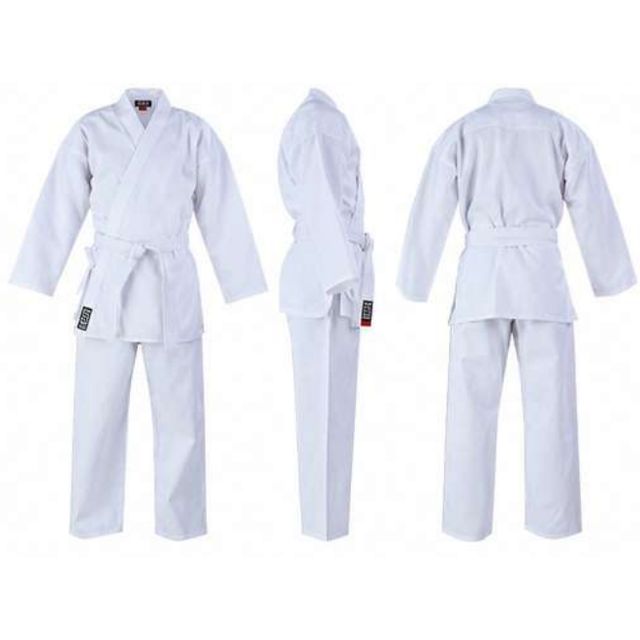
If you run a dojo, you know the problem. Half your students turn up in gis bought online in different shades of white, sleeves that stop at the elbow after two washes, and trousers held up with knots. The kids' gis tear at the knee by grading day, and nothing on the mat says your club's name.
Ordering your own custom karate gis fixes most of that. Every student wears the same uniform, you choose the weight and fabric that suit your classes, and your dojo branding goes on every jacket. This guide walks through the decisions in the order you'll need to make them.
What weight of karate gi do my students need?
Karate gi weight is usually given in ounces. A heavier number means thicker, stiffer fabric. There is no single right answer, but most dojos think about three groups.
- Lightweight (around 6 to 8 oz): beginners, children and summer classes. Cool, easy to wash and the most affordable choice for students who may grow out of it within a year.
- Middleweight: a good all-round training gi for regular adult students who train several times a week and want something that lasts longer.
- Heavyweight: senior grades, instructors and kata. The thicker fabric holds a crisp shape and gives the snap many karateka like when they strike, but it is warmer and slower to dry.
Many clubs keep it simple: one lightweight gi as the standard student uniform, and a heavier option for black belts and instructors.
Cotton or poly-cotton: which fabric lasts longer?
Poly-cotton blends are the usual choice for student gis. They are lighter, dry quickly, crease less and hold their size better in the wash, which matters when parents are washing a child's gi after every class.
100% cotton is softer against the skin and is common in heavier gis. The trade-off is shrinkage. Cotton can shrink noticeably in a hot wash or dryer, so ask your maker whether the fabric is pre-shrunk and tell students to wash cold and hang dry. Our guide on why BJJ gis shrink covers the same issue in more detail, and the advice applies to karate gis too.
Kumite or kata cut: does the cut matter?
Yes, if your students compete or train one style heavily. Kumite gis are usually lighter, with a slightly shorter jacket and sleeves so they don't get in the way of fast movement. Kata gis are usually heavier, with longer sleeves and trousers for a sharp, traditional look.
For everyday training, a standard cut works for most students. If you run a competition squad, consider a separate order for them, and check your federation's current rules on colour, sleeve and trouser length and approved brands before you buy competition gis.
How do I get sizes right for a whole dojo?
Karate gis are usually sized by number, matched to height, but size charts differ between manufacturers. A size 3 from one brand can fit like a size 4 from another, so never order a full run from a chart alone.
- 01Ask for the maker's size chart with height and body measurements, not just size numbers.
- 02Get a sample in your most common adult size and your most common kids' size, and try them on a few students.
- 03Collect heights and sizes in one spreadsheet with student name, size and belt name if you are adding belts.
- 04For children, consider sizing up one size so the gi lasts a full year, and choose trousers with an elastic waist or drawstring.
- 05Order a few spare sizes for new students who join mid-term.
How can I brand a karate gi with my dojo name?
Branding is where a custom gi earns its keep. It makes students proud of the club, makes photos from gradings and tournaments instantly recognisable, and stops gis getting mixed up in the changing room. The common options are:
- Chest or lapel embroidery: your dojo name or logo on the left chest, or written down the lapel.
- Back embroidery or a back patch: a larger club logo across the back of the jacket.
- Woven label: a small label on the jacket hem or trouser leg with your club name.
- Embroidered belts: student names or the dojo name on rank belts, a popular gift at gradings.
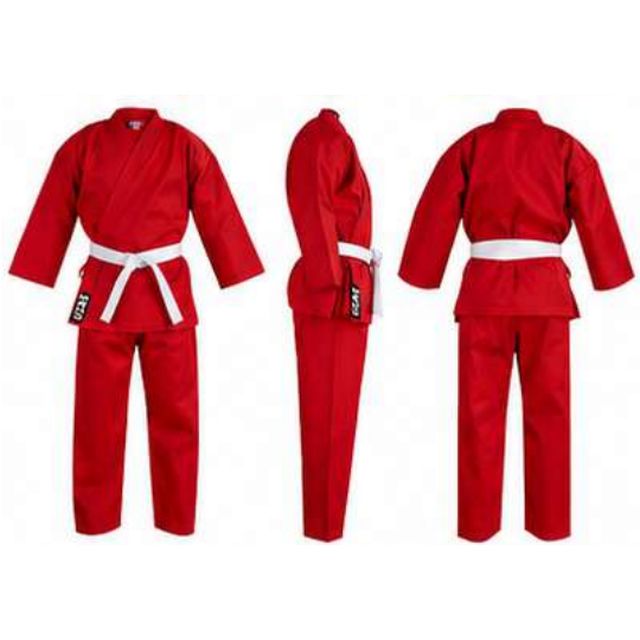
- Contrast colours: a black collar, coloured stitching or a fully coloured gi for a kids' or demo team.
If you want a sew-on option that students can move to a new gi as they grow, an embroidered patch works well. Our guide to embroidered, woven and PVC patches explains which type suits which use.
Want a dojo patch to go with your gis? See our embroidered and woven patches.
See custom patchesWhat should I ask a karate gi manufacturer before ordering?
- What is the fabric, and what is the weight in ounces, in writing?
- Is the fabric pre-shrunk, and what are the washing instructions?
- Can I have a free sample with my dojo logo before the full order?
- Is there a minimum order per size or colour?
- Can you embroider names on belts as well as gis?
- Do you make the gis in your own factory?
- How will the order ship, and when can I expect it?
If you are buying from overseas for the first time, our guide to sourcing sportswear from Sialkot, Pakistan explains how to check a manufacturer and place a safe first order.
How UZAS Sports makes karate gis for dojos
UZAS Sports has made martial arts uniforms in our own factory in Sialkot since 2005, with showrooms in Sialkot and Melbourne. Our range includes lightweight and student karate gis, V-neck martial arts gis, judo and jujitsu gis, BJJ gis and rank belts, in white, black or your club colours.
There is no minimum order, so you can start with a few gis for new students. Your sample is free and customised with your logo, and our team offers free design help to lay out your embroidery and patches. Orders of 25 pieces or more ship free. Samples and urgent orders travel by air freight, and bulk orders can go by sea.
See our karate, judo and BJJ gis, belts and fightwear, then ask for a free sample with your dojo logo.
See martial arts rangeTell us your student numbers, sizes and branding ideas and we'll help you plan your dojo order.
Contact our teamCommon questions
What weight of karate gi should beginners wear?+
Most dojos start beginners and children in a lightweight gi, often around 6 to 8 oz. It is cooler, cheaper and easy to wash. Heavier gis suit senior students and kata practice, where the thicker fabric holds its shape and makes a sharper sound.
Is a cotton or poly-cotton karate gi better?+
Poly-cotton blends are lighter, dry quickly and keep their size better after washing, which suits kids and busy parents. 100% cotton feels softer and is common in heavier gis, but it can shrink, so wash it cold and ask your maker about pre-shrunk fabric.
Can I add my dojo name and logo to karate gis?+
Yes. The most common options are embroidery on the chest or lapel, larger embroidery or a patch on the back, a woven label on the jacket hem, and embroidered names on belts. UZAS Sports offers free design help to lay out your branding.
Can I order a small number of karate gis for my club?+
With some makers, yes. UZAS Sports has no minimum order, so a small dojo can order a handful of gis for new students, and orders of 25 pieces or more ship free.
Are custom gis allowed in karate competitions?+
It depends on the event. Some federations set rules on gi colour, sleeve and trouser length, and approved brands for official tournaments. Check your federation's current rules before ordering competition gis, and use your custom dojo gis for training and gradings.
Can I see a sample before ordering gis for the whole dojo?+
You should. UZAS Sports makes a free sample customised with your logo, so you can check the fabric, fit and embroidery before you order for every student.
- #CustomKarateGi
- #KarateUniforms
- #DojoUniforms
- #MartialArtsUniforms
- #EmbroideredBelts
- #NoMOQ
- #MadeInSialkot
- #UZASSports
Related products