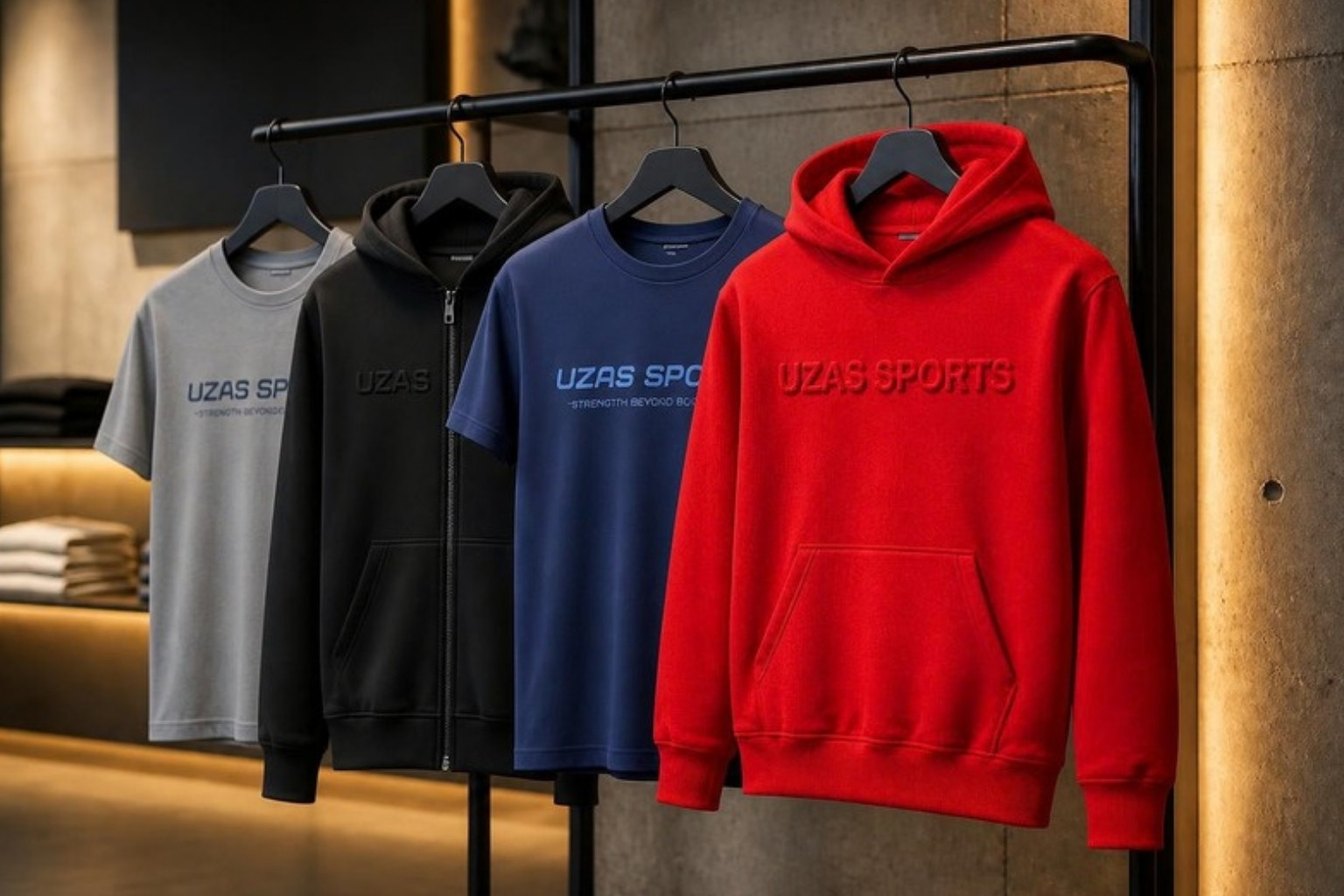
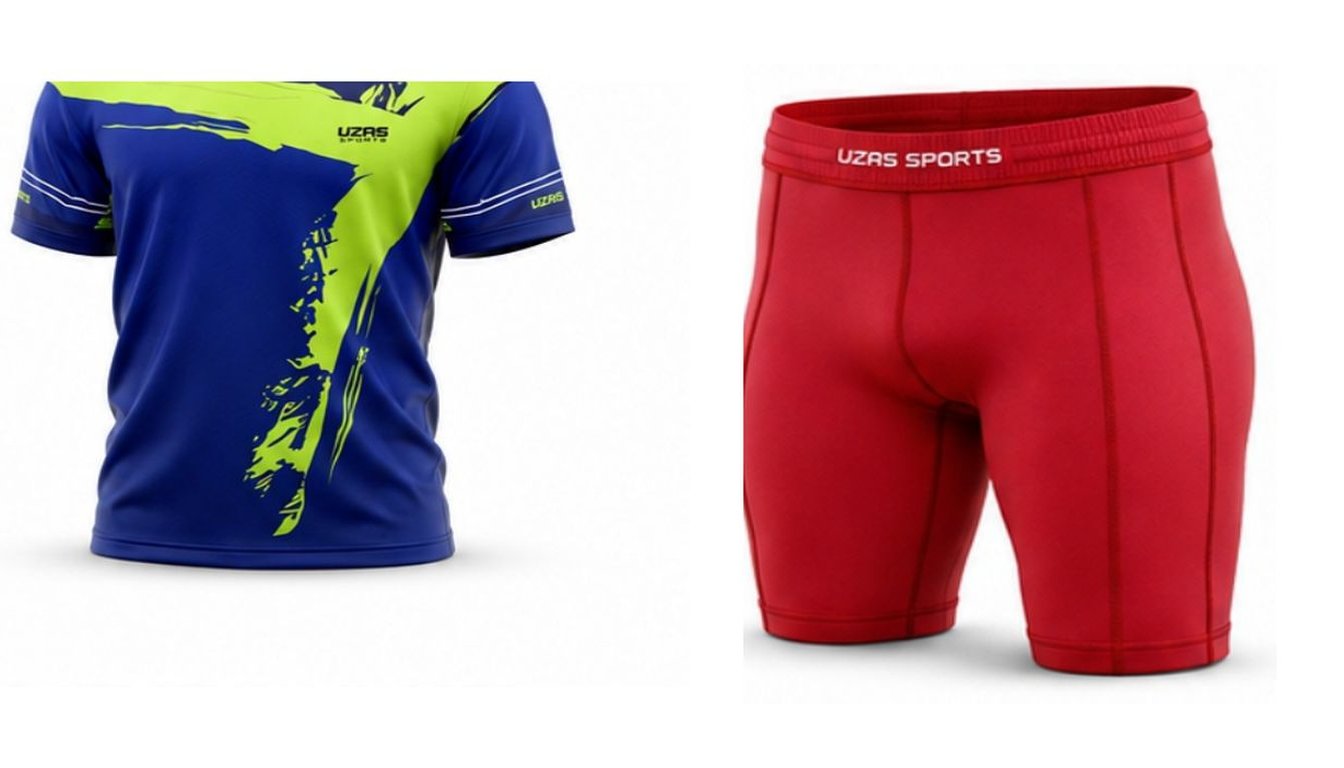
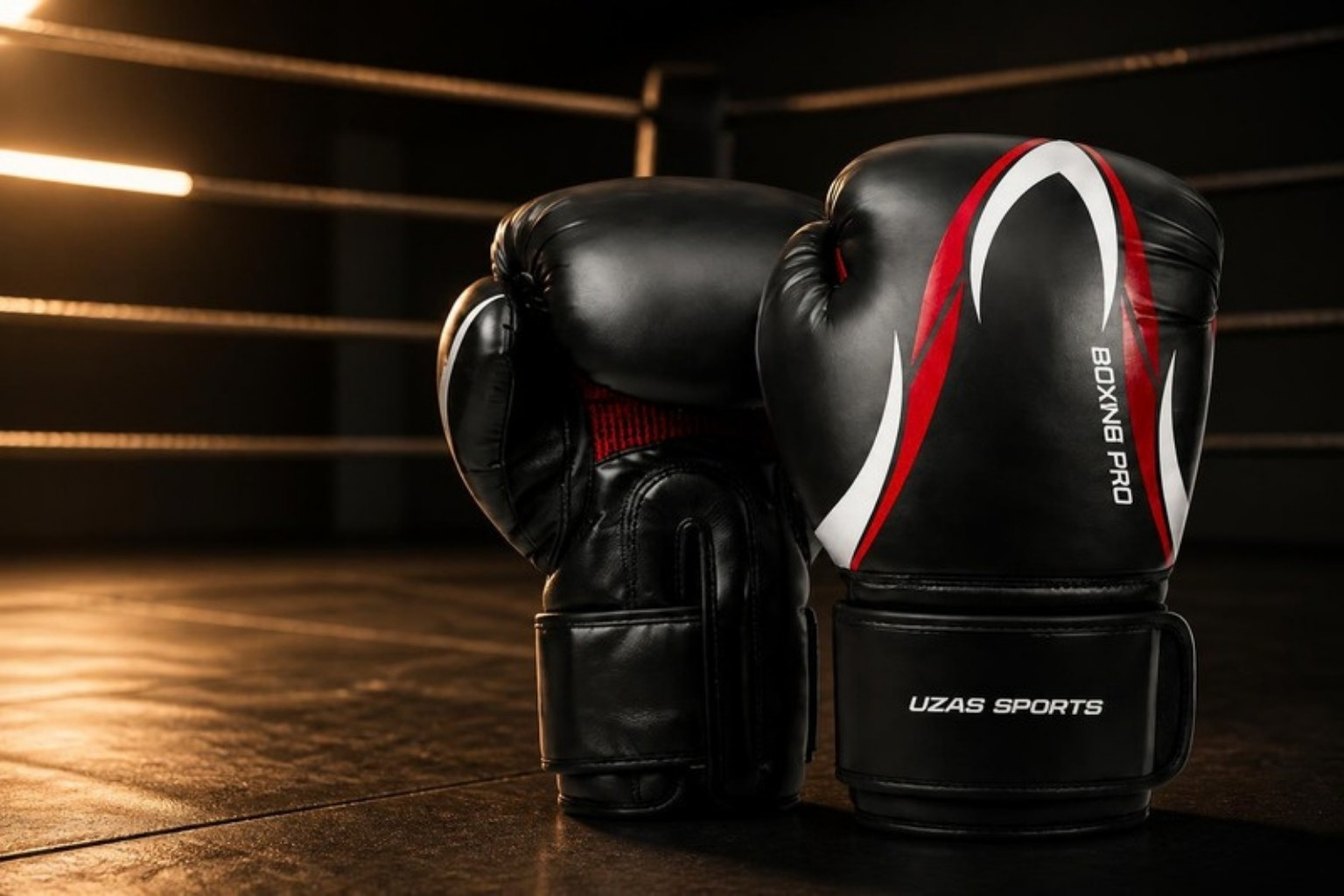
Whatever the sport, the same problems land on the person who orders the kit: numbers that lift after a season, sizes that don't fit, teams in slightly different shades, and a reprint because a name was spelled wrong. This guide covers what every sublimated uniform order needs to get right, then what changes for each sport.
Why do teams choose sublimated uniforms?
Sublimation turns ink into a gas that bonds with polyester fibres, so the print becomes part of the fabric rather than a layer on top. For any team uniform that means:
- No cracking or peeling: numbers, names and logos stay put through a season of washing.
- Any design: gradients, patterns and sponsor logos cost no more to print than a plain colour.
- No heavy vinyl: the jersey stays light and breathable.
- Individual names and numbers on every piece, printed at the same time as the design.
Sublimation only works on polyester or high-polyester fabric, and the best results come on a white or light base. Our guide What is sublimation printing? explains it in plain terms.
How do we plan names, numbers and sizes for a whole club?
- Use one spreadsheet for every team: team, name as it should be printed, number, top size and bottom size.
- Check your league's current rules on number size, placement and colour contrast before you finalise the design.
- Make sure no two players in one team share a number, and agree on capitals and first name or surname.
- Ask for a size chart with body measurements, then try prototypes on real players in your most common sizes.
- For juniors, consider one size up if the uniform has to last more than a season, and order a few spares for players who join mid-season.
- Have one person check the final roster against the proof before production.
Our guide to custom team kit ordering mistakes covers the errors clubs make most often, and sublimated vs screen-printed jerseys compares the two print methods.
Basketball uniforms
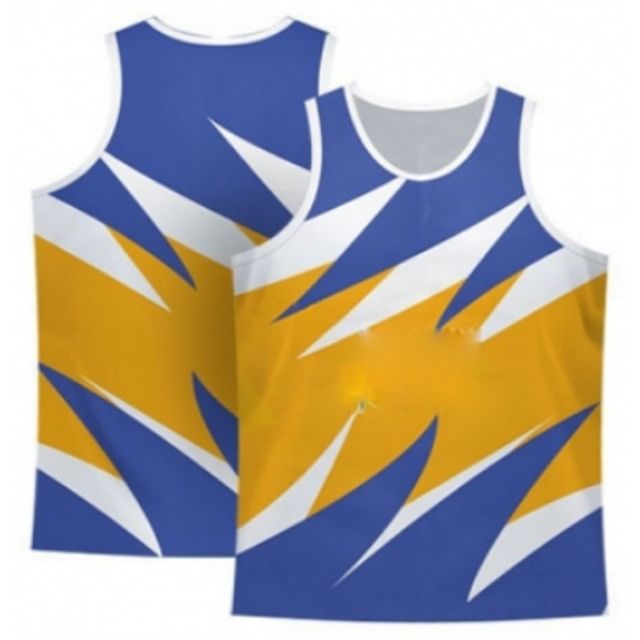
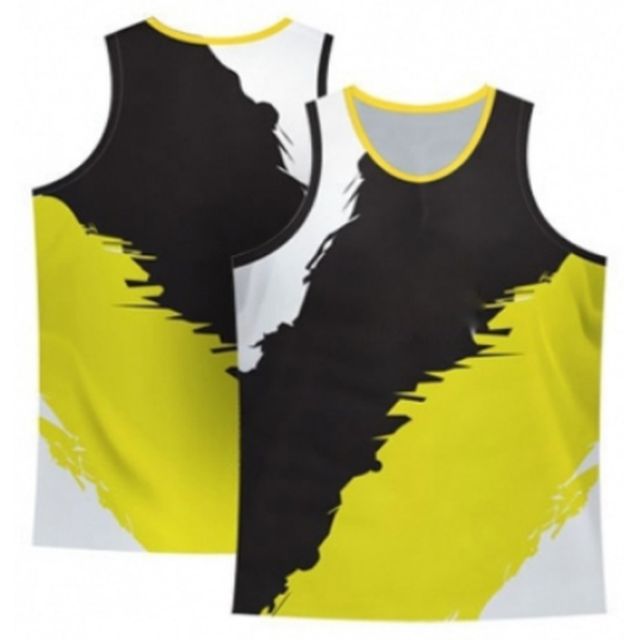
Which fabric is best for basketball singlets and shorts?
Sublimation needs polyester, and the best results come on white or light base fabric. Within that, there are a few common choices:
- Mesh: open holes let air through, which suits hot gyms and summer competitions. It is the classic basketball look.
- Smooth knit: a closed, soft surface that shows fine detail and sponsor logos very crisply.
- Mixed panels: a smooth front and back for the design, with mesh side panels for airflow.
For shorts, look for the same fabric family as the singlet so the colours match, a wide elastic waistband with a drawcord, and enough length and room for players to move. Ask for the fabric type and weight in writing, then judge it on a sample rather than a photo.
How should a basketball uniform fit?
Fit is where clubs get the most complaints, so decide it before you collect sizes. Senior players often want a cut that is not too baggy, while junior teams usually need room to grow through the season. Women's and men's cuts can differ in length, armhole depth and shoulder width.
- 1.Ask your maker for a size chart with body measurements, not just S, M and L.
- 2.Order samples in your most common sizes and try them on real players.
- 3.Check the armholes and neckline, which should not rub during play.
- 4.For juniors, consider sizing up one size if the uniform must last more than one season.
- 5.Order a few spare sizes for players who join mid-season.
Do we need reversible jerseys or separate home and away sets?
Reversible singlets have a different colour on each side. They are popular for training and junior programs, because one top works for both teams in a scrimmage and parents only buy one item. For competition, many clubs prefer separate home and away singlets, which can be lighter and give more freedom in design.
If you are not sure, a common approach is reversibles for training and juniors, and a sublimated home and away set for representative or senior teams. Ask your maker which styles they can produce and check a sample of each.
What else can we add to the order?
Basketball clubs often order the rest of their teamwear at the same time, so colours and logos match. Popular extras include shooting shirts, warm-up tops, hoodies and tees for coaches and supporters, and embroidered patches or caps for club merchandise. Ordering together also means one sample round and one shipment.
Soccer kits
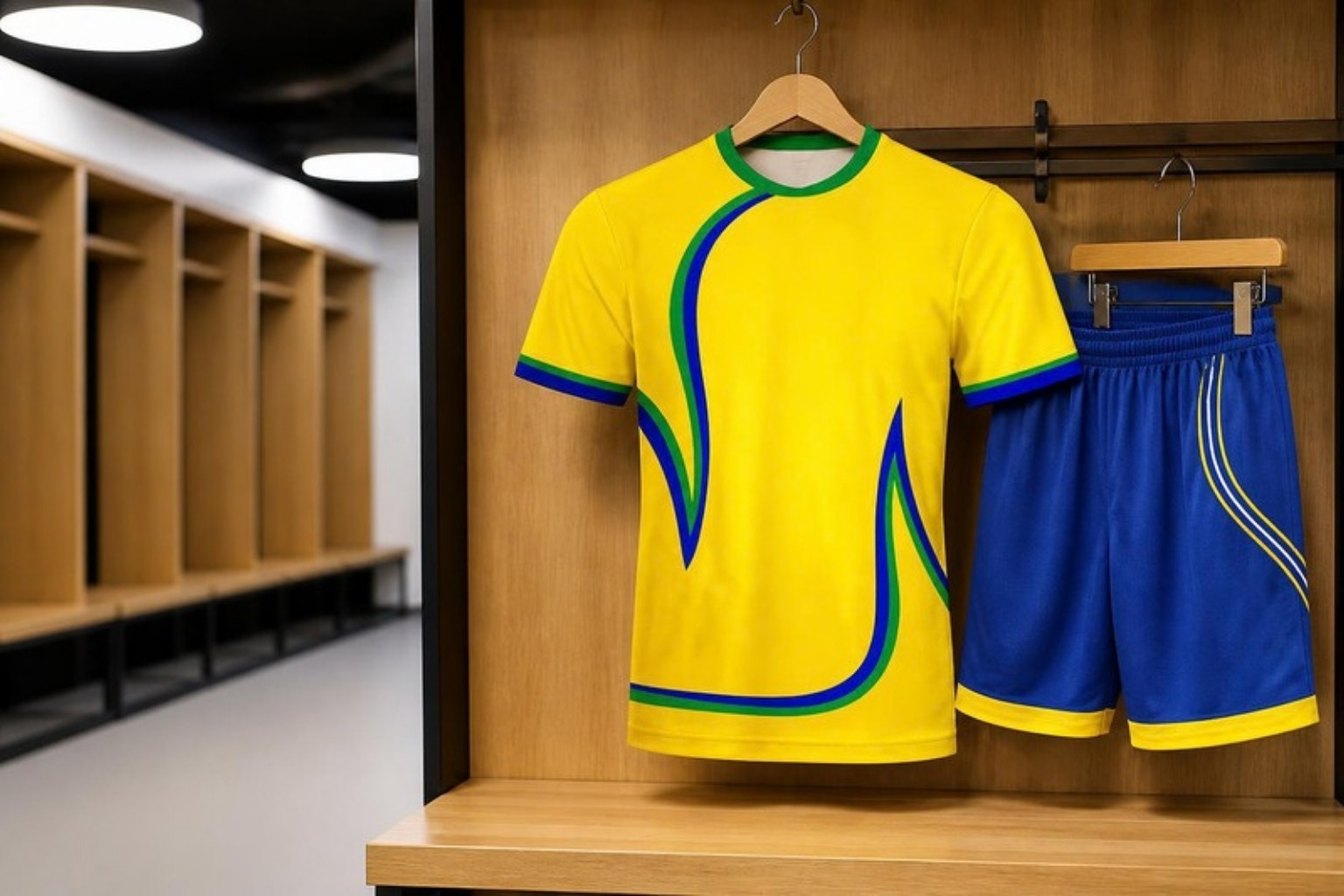
What should a club soccer kit include?
- Home jersey, shorts and socks in your main club colours.
- Away jersey in a contrasting colour for clashes.
- Goalkeeper kit in a colour that stands out from both outfield kits and the referee.
- Training tops for sessions, so match jerseys last longer.
- Warm-up jackets, hoodies or tracksuits for match days and travel.
Ordering everything together keeps the colours consistent across the kit and means one design approval for the whole season. Our custom hoodies and tracksuits can be made in the same colours.
Which fabric and fit work best for soccer?
Soccer jerseys need to be light, breathable and quick-drying, which is why they are made from polyester. Mesh panels under the arms and down the sides help on hot days. A regular fit suits most club players and junior teams, and a slimmer fit suits senior squads who want a modern look. Order a sample in two sizes and have players try them before you lock in the fit.
What makes a good goalkeeper kit?
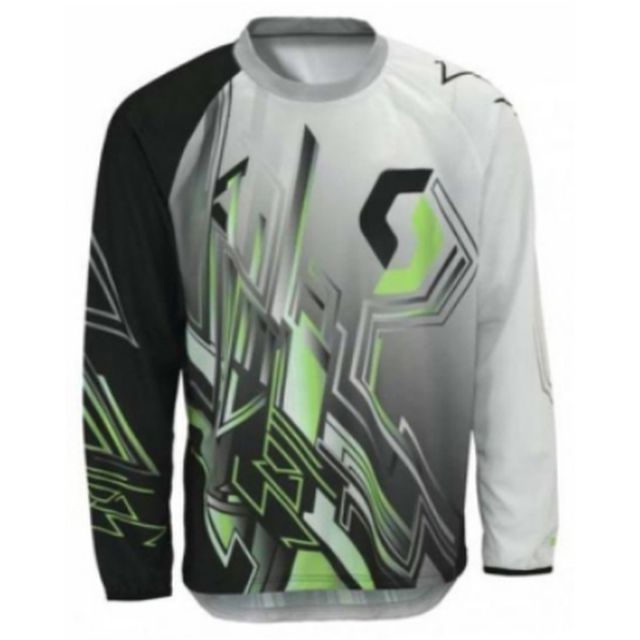
The goalkeeper kit must stand out from both teams' outfield kits and from the referee. Many clubs choose a bright colour and order long-sleeve jerseys with padded elbows for keepers who dive on hard ground, plus padded shorts or trousers. Add custom goalkeeper and training gloves to complete the kit.
Volleyball uniforms
What fabric should volleyball jerseys be made from?
Sublimation works on light-coloured polyester, so volleyball jerseys are almost always made from a polyester or polyester and spandex knit. When you compare fabrics, ask about:
- Stretch: a fabric with some spandex moves with the player's arms and shoulders during serves and blocks.
- Weight: lighter fabrics feel cooler in a hot gym, while slightly heavier ones hold their shape longer.
- Moisture management: a breathable knit helps sweat dry between rallies.
- Feel: ask for fabric swatches or a sample so players can feel the fabric before you decide.
Shorts are usually made from a stretch polyester as well, so the colours of the jersey and shorts match when they are printed together.
Which cut works best: sleeveless, cap sleeve or short sleeve?
There is no single right answer. Many clubs offer two or three cuts in the same design, so each player can choose what they are comfortable in. Common choices are:
- Sleeveless: the most freedom for the arms and shoulders, popular in women's and junior teams.
- Cap sleeve: a little coverage on the shoulder without restricting the swing.
- Short sleeve: the most coverage, and a familiar look for men's and school teams.
- Long sleeve: useful for cold venues, warm-ups or players who prefer full coverage.
Also decide on the fit. A slim, athletic fit stops the jersey getting in the way of the ball, but it should still be long enough to stay tucked or in place when the player reaches overhead.
How do we plan the libero jersey?
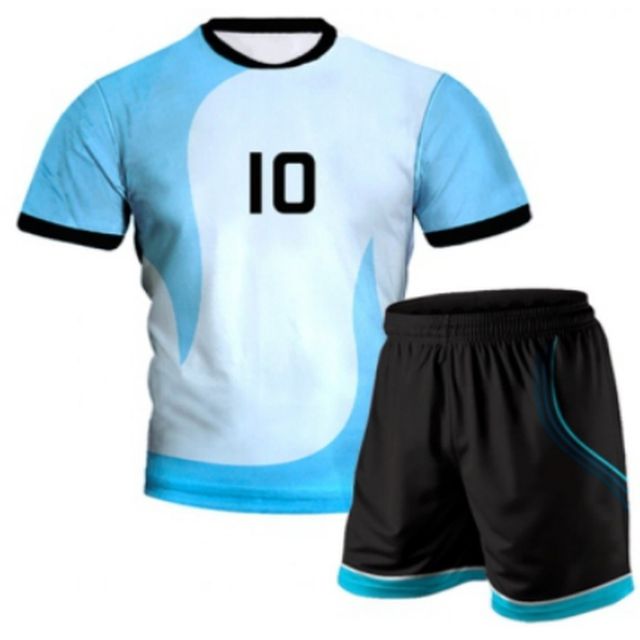
The libero is the one player who must look different. Under most volleyball rules, the libero wears a jersey that clearly contrasts with the rest of the team, while the numbering follows the same rules as everyone else. The simplest way to get this right is to design the libero jersey at the same time as the main kit:
- 1.Start with your main design and colours.
- 2.Create a reversed or contrasting colourway, for example swapping the main and trim colours.
- 3.Check that the libero colour is clearly different from both your home and away jerseys.
- 4.Order more than one libero jersey per team, since teams often use two liberos or rotate the role.
- 5.Check your league's current uniform rules before you approve the design.
Hockey jerseys
What fabric should hockey jerseys be made from?
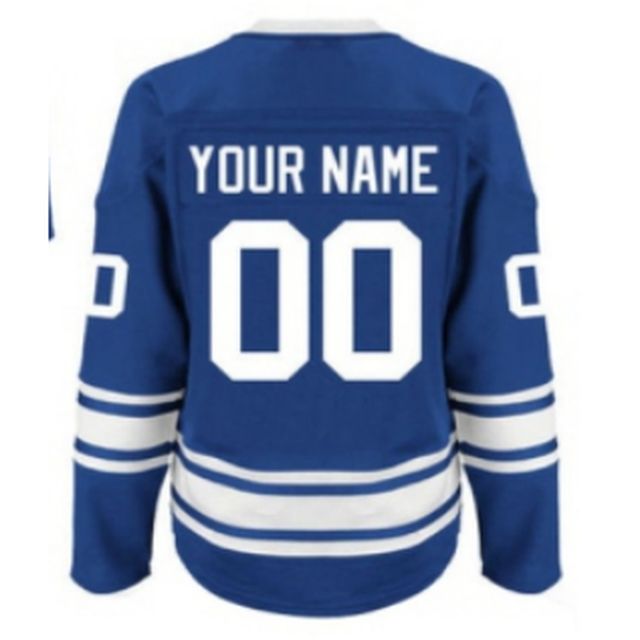
Sublimation works on light-coloured polyester, so sublimated hockey jerseys are made from a polyester knit. When you compare fabrics, ask about:
- Weight: a heavier knit feels more durable and stands up to stick checks and the boards, while a lighter knit is cooler for summer leagues and practice.
- Mesh panels: breathable mesh under the arms or on the sides helps heat escape during long shifts.
- Reinforcement: ask whether the shoulders and elbows can have a double layer, since these areas take the most wear.
- Feel: ask for fabric swatches or a sample so players can feel the fabric before you decide.
How should hockey jerseys fit over pads?
This is where most team orders go wrong. A hockey jersey is worn over shoulder pads and elbow pads, so it is cut much larger than a normal T-shirt. A player who wears a medium shirt off the ice may need a larger jersey once their gear is on. Keep these points in mind:
- Shoulders and chest: the jersey should slide over shoulder pads without pulling tight across the back.
- Sleeves: with the arms stretched forward, the cuffs should still reach the gloves.
- Length: the hem should cover the top of the pants so the jersey doesn't ride up when a player bends.
- Neck: common styles are a V-neck, a crew neck or a lace-up collar. Pick one and keep it the same across the team.
Do goalies need a different jersey?
In most cases, yes. A goalie wears a chest protector that is much bulkier than a skater's shoulder pads, so goalie jerseys are cut wider through the body and arms. When you order, list the goalie jerseys as a separate cut in the same design, and ask your goalie to try the sample on over their own chest protector before you confirm the size. Teams with more than one goalie should order a jersey for each.
Do we need home and away jerseys?
Many leagues want two teams on the ice to be easy to tell apart, so teams often keep a dark set and a light set. The simplest way to plan this is to design both at the same time:
- 1.Start with your main design and team colours.
- 2.Create a second colourway, for example a white body with your main colour as the stripes.
- 3.Use the same names and numbers on both sets so players don't change numbers between games.
- 4.If your budget only covers one set, ask about reversible jerseys or a contrasting practice jersey.
- 5.Check your league's current uniform rules before you approve the design.
Baseball and softball jerseys
Which button style should we pick?
The front of the jersey sets the look of the whole uniform. There are four common choices:
- Full button: the traditional baseball look that opens all the way down. Popular with travel teams, adult leagues and anyone who wants a classic uniform.
- Two button (henley style): a short placket that pulls over the head. It looks traditional at a glance and is quicker to put on.
- Faux button: the placket and buttons are printed on. It keeps the classic look with nothing to snag, break or come undone, which suits youth teams and slowpitch leagues.
- Crew neck or V-neck: a simple pullover, common for softball, rec leagues, practice tops and company teams.
Many teams pick a full button game jersey and a crew neck practice top in the same colours, so players look like one team from warm-ups to the last out.
What fabric works best for baseball jerseys?
Sublimation only works on polyester, and it works best on white or light base fabric, so all sublimated jerseys are made from a polyester knit. When you compare fabrics, ask about:
- Weight: a heavier knit feels more substantial and holds its shape on a full button jersey, while a lighter knit stays cooler in summer heat.
- Texture: a smooth interlock gives a crisp, classic look, while a mesh or textured knit breathes better for hot climates and long tournaments.
- Stretch: a little stretch helps on the throwing arm and when swinging. Ask how the fabric feels when you reach across your body.
- Collar and placket finish: check that the placket lies flat and the buttonholes are neat, since this is where cheaper jerseys show their quality first.
How should baseball and softball jerseys fit?
Players need room to throw, swing and slide, so baseball jerseys are usually cut a little fuller than a fitted T-shirt. A few points to settle before you collect sizes:
- Men's, women's and youth cuts: softball players often prefer a women's cut with a shaped body. Order each cut in the same design so a mixed roster still matches.
- Sleeve length: short raglan sleeves give free arm movement, and some teams add a sublimated long-sleeve undershirt in the team colour for cold games.
- Body length: a longer back stays tucked into the pants during slides and stretches.
- Sizing: ask for a size chart in centimetres or inches and get players to measure a jersey they already like, rather than guessing from the letter on the label.
Football uniforms
Which jersey cut should we choose for tackle football?
The cut decides how the jersey sits over shoulder pads. Most programs choose between two styles.
Traditional cut
A looser body with room in the shoulders. It is easy to pull over pads and suits youth teams with a wide range of player sizes, where the same jersey may be worn over different pad sizes.
Tight or tapered cut
A closer fit with stretch fabric on the body and sleeves, so there is less loose material for opponents to grab. High school and adult teams often prefer this look. Ask for a sample size set so players can try the jersey over their own pads before you order.
Whatever cut you choose, check the body length. A jersey that is long enough to tuck into the pants and stay there is one of the simplest ways to keep a team looking tidy through four quarters.
What fabric works best for football jerseys?
Football jerseys are usually made from polyester, because sublimation needs polyester to bond with. Common choices are:
- Mesh body panels for airflow in hot pre season practices and early fall games.
- Stretch fabric on the sleeves or sides for a closer fit over pads.
- Heavier, tighter knits for durability on the shoulders, where pads rub most.
Tell your manufacturer where you play and when your season runs. A team in a hot climate needs a different balance of mesh and coverage from a team playing into late fall.
What about football pants?
Matching pants finish the uniform. Some pants have pockets for separate knee and thigh pads, while others have pads built in. Pants are often made in a solid colour with a sublimated stripe or panel down the side that matches the jersey. Tell your manufacturer which pad system your players use, and order pants and jerseys together so the colours come from the same production run.
What do flag football teams need?
Flag football is growing in schools, youth leagues and adult recreation leagues, and its uniforms are simpler. Without shoulder pads, a lighter jersey with an athletic cut works better. Many flag teams choose:
- Light, breathable sublimated jerseys or performance tees with names and numbers.
- Reversible jerseys, so one set covers both home and away colours.
- Matching shorts in place of football pants.
- Jerseys that stay tucked in or are short enough not to cover the flag belt, if your league has a rule about it.
What should we ask a team uniform manufacturer?
- What fabric and weight will each garment be made from?
- Are names and numbers sublimated, or applied another way?
- Can we approve a prototype with our logo before the full order?
- Is there a minimum order per design, team or size?
- Do you make the uniforms in your own factory?
- Can you help with the design if we only have a logo?
- How will the order ship, and when can we expect it?
How UZAS Sports makes custom team uniforms
UZAS Sports has made sportswear in our own factory in Sialkot, Pakistan since 2005, with a showroom in Sialkot and a booking office in Melbourne. We sublimate jerseys, singlets, shorts, pants and warm-ups for clubs, schools and leagues, and our design team gives free design help to turn your logo and colours into a full uniform.
There is no minimum order. We make a complimentary customised prototype with your logo for you to approve, and bulk production usually takes 2 to 4 weeks after that. Orders of 25 pieces or more ship free; prototypes and urgent orders travel by air freight, and bulk orders can go by sea. See our custom sublimated jerseys page or the buyer FAQ.
Common questions
Do sublimated names and numbers peel or crack?
No. Sublimation prints the design, names and numbers into the polyester fabric itself, so there is no layer on top to crack or peel. Heat-pressed vinyl numbers are a different method and can lift over time.
Can every player have a different name and number?
Yes. Each sublimated garment is printed individually, so names and numbers can change from piece to piece. Send one roster with team, name, number and sizes for every player.
Which sports can be made with sublimation?
Any sport whose kit is made from polyester: basketball, soccer, volleyball, hockey, baseball, softball, football, rugby, netball and more, plus warm-up tops and training wear in the same design.
Is there a minimum order for custom team uniforms?
UZAS Sports has no minimum order, so you can order for one team or add a few pieces for new players. Orders of 25 pieces or more ship free.
Can we see a sample before ordering for the whole club?
Yes. UZAS Sports makes a complimentary prototype customised with your logo, so you can check fabric, colours, fit and numbers before the bulk order. Bulk production usually takes 2 to 4 weeks after approval.
- #SublimatedTeamwear
- #CustomTeamUniforms
- #CustomBasketballUniforms
- #CustomSoccerKits
- #CustomHockeyJerseys
- #CustomFootballUniforms
- #NoMOQ
- #MadeInSialkot