Your members already want to wear your gym's name. They ask for a shirt after their first month, a hoodie after their first fight, and gloves or a rash guard with the logo on it when they start taking training seriously. The problem is the first order. Buy too much and you have a cupboard of unsold shirts in sizes nobody wears. Buy too little, or the wrong things, and the range looks thin and members buy elsewhere.
This guide is for owners and managers of boxing gyms, MMA gyms and BJJ academies who want to start or improve a merch range. It covers what to stock first, which decoration method suits which product, how to plan sizes, and how to order in small runs so your money isn't tied up in stock.
Why should a combat sports gym sell its own merch?
Gym merch does three jobs at once. It gives members a way to show they belong, which matters in a sport where people train together for years. It puts your name in front of new people every time a member wears a shirt in the street, at work or at a competition. And it can bring in extra income from products members would buy anyway, from a brand they already trust.
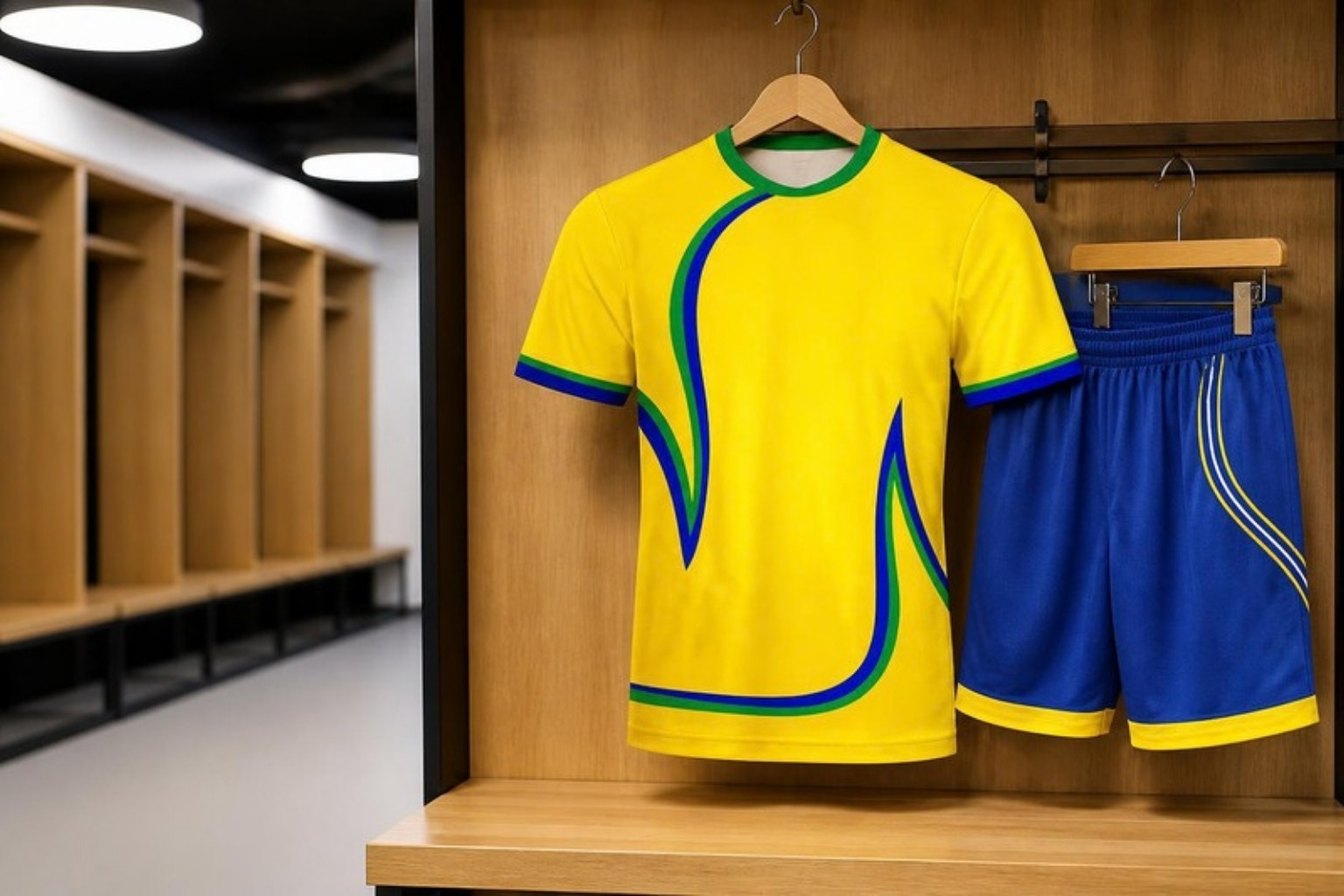
Training gear also looks better on the mat when it matches. A team in matching rash guards or fight shorts at a tournament looks organised, and that helps your gym stand out to parents and new students who are comparing options.
What merch should you stock first?
Start with products members use every week, not souvenirs. Training gear sells because it wears out and needs replacing. A simple first range for most combat sports gyms looks like this:
- A training t-shirt: the easiest entry product and the one most members buy first.
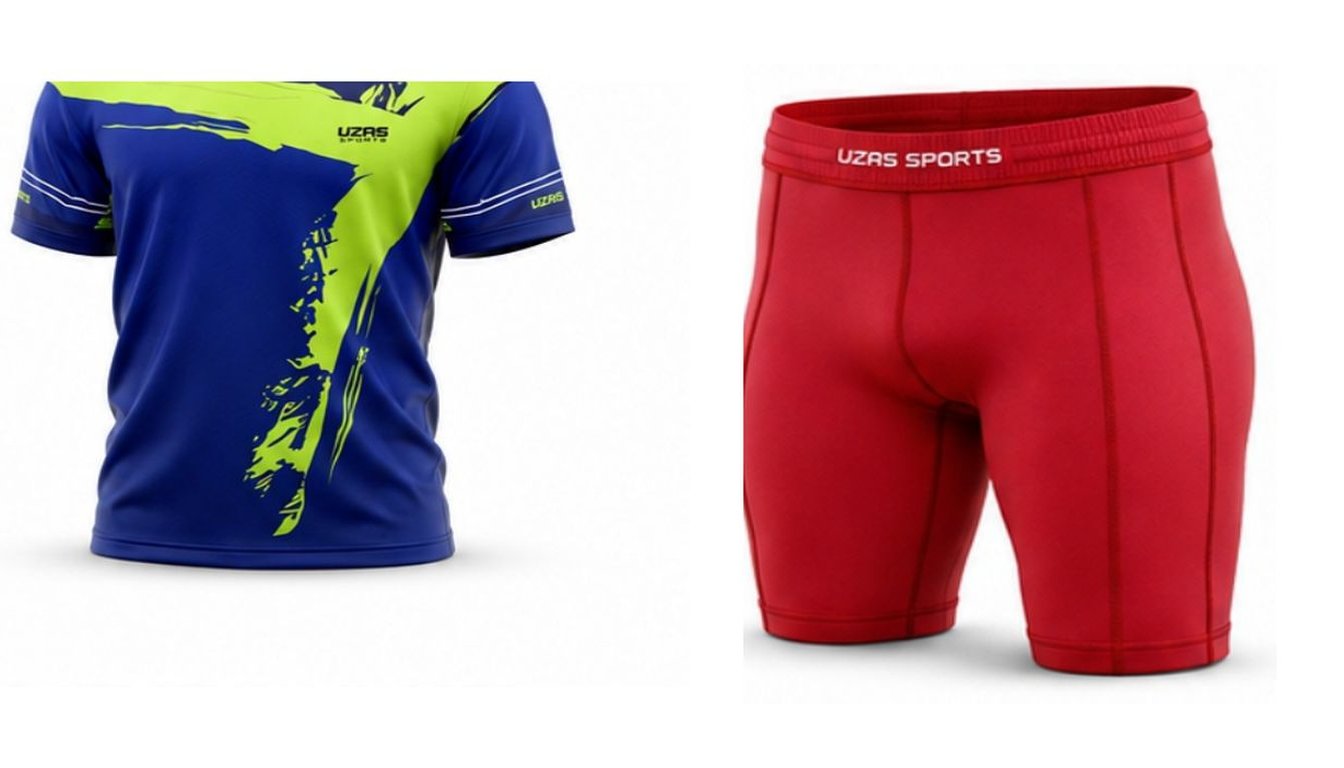
- Rash guards: essential for MMA and no-gi BJJ classes, and popular with boxers for conditioning work.
- Fight shorts: MMA, Muay Thai or grappling shorts that match the rash guards.
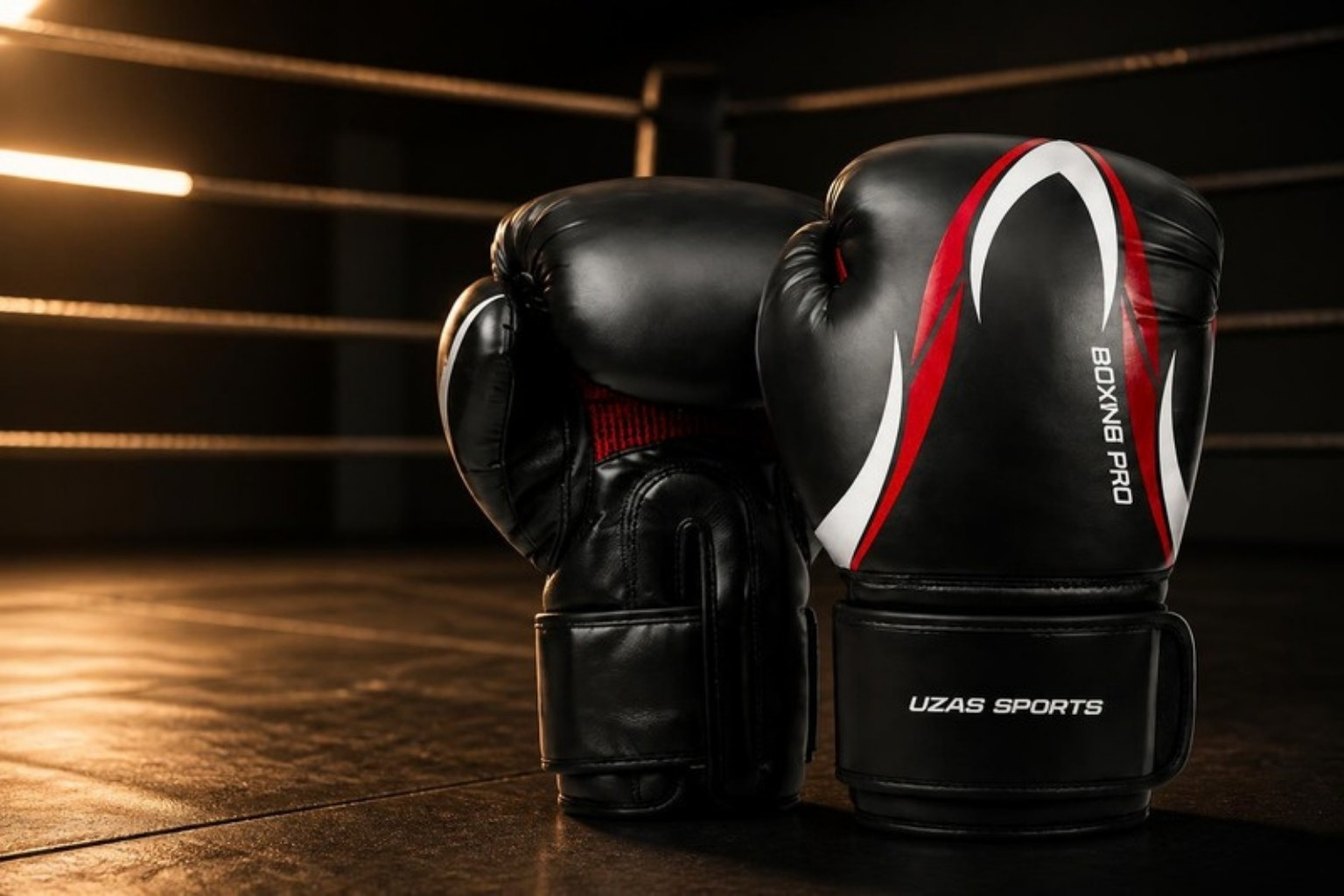
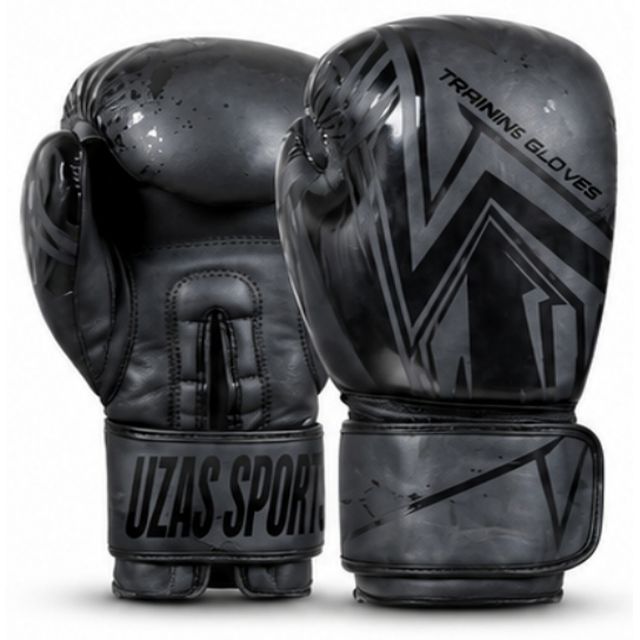
- Boxing or MMA gloves: for boxing and striking gyms, a branded glove is often the best seller because every new member needs a pair.
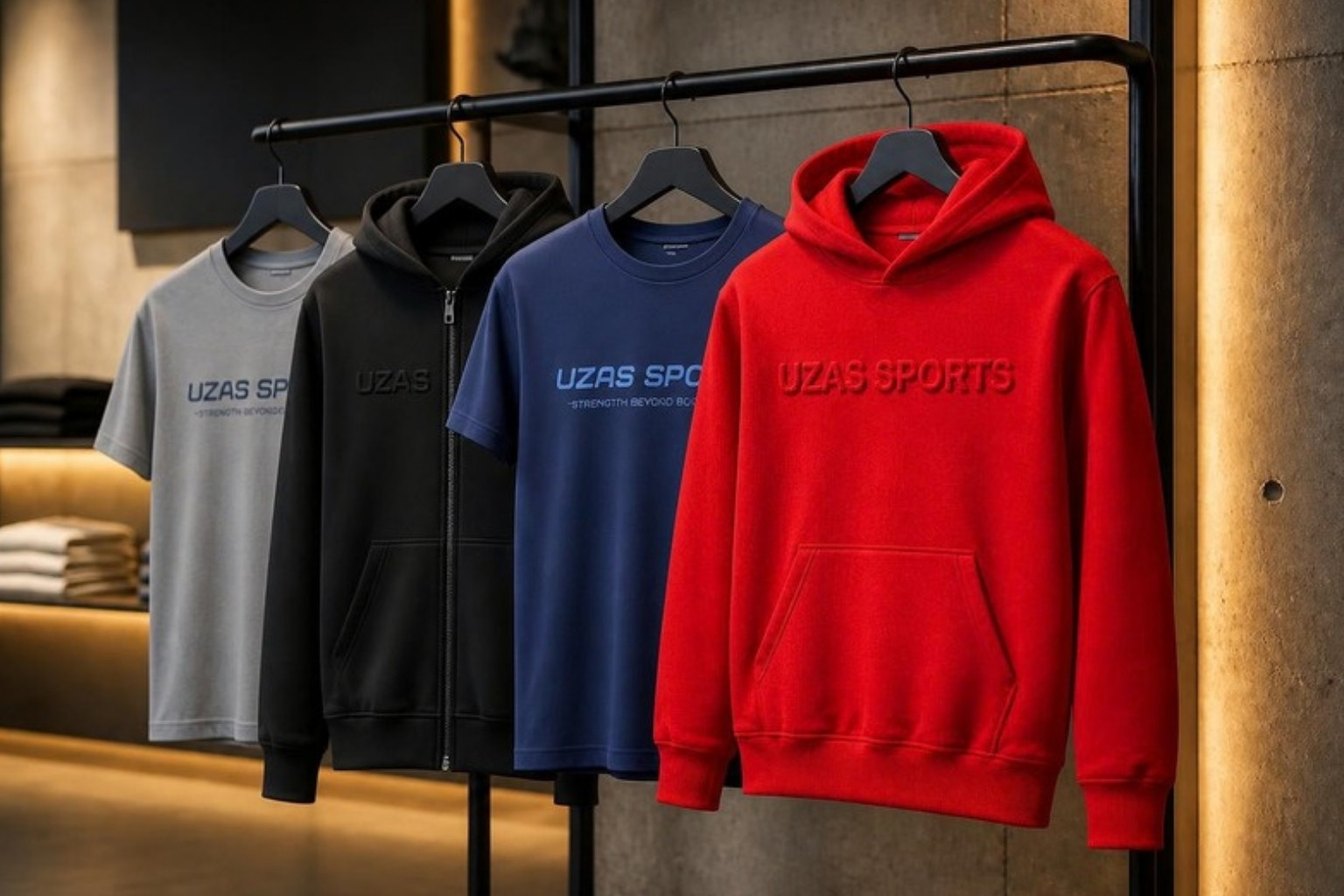
- A hoodie: the lifestyle piece members wear outside the gym, best added once the training range is selling.
For BJJ academies, a branded gi and belt can come later, once you know how many students want one. Patches are another low-risk step: a gym patch on a plain gi gives students a branded option without a full custom gi order.
How do you choose between boxing gloves and MMA gloves?
Stock what your classes use. A boxing or kickboxing gym needs boxing gloves in a few weights, usually a lighter glove for pad work and a heavier one for sparring. An MMA gym may need open-finger gloves for grappling drills as well as boxing gloves for striking classes. Our guide to custom boxing gloves for gyms and clubs explains glove weights, materials and closures in more detail.
Sublimation, printing or embroidery: which suits gym merch?
The right method depends on the fabric and the design. Getting this right is what makes merch last long enough for members to keep wearing it.
- Sublimation: the design is printed into polyester fabric, so it doesn't crack or peel. It allows full-colour, all-over artwork with no limit on the number of colours, which makes it the best choice for rash guards, fight shorts and polyester training tops.
- Screen or transfer printing: printed on top of the fabric. It works well for a simple logo on a cotton t-shirt or hoodie.
- Embroidery: stitched into the fabric. It looks premium on hoodies, caps, gi jackets and patches, but is best kept to logos rather than large artwork.
Many gyms use more than one method: sublimated training gear for the mat and embroidered or printed cotton pieces for everyday wear. If you are new to the process, our guide to what sublimation printing is explains how it works.
How many pieces and which sizes should you order?
Ordering too much is the most common mistake with gym merch. Start small and let sales tell you what to reorder.
- 1.Look at your membership: how many adults, women and kids train regularly, and which classes they attend.
- 2.Run a pre-order before you buy stock. Put the prototype on the front desk, share photos with members and take names and sizes.
- 3.Order the pre-orders plus a small buffer in the middle sizes, which usually sell fastest.
- 4.Keep a simple record of what sells, then reorder the sizes and colours that run out.
Kids classes deserve their own plan. Children grow out of rash guards, shorts and gloves quickly, so families come back for the next size up. Plan kids sizes as a regular reorder rather than a one-off.
How do you make the merch look like your own brand?
Small details separate gym merch that looks homemade from merch that looks like a real brand. Ask for private label: your own printed or woven neck labels, swing tags with your gym name and website, and branded packaging if you sell online or ship to members. Keep your colours and logo placement consistent across every product, so a shirt, a rash guard and a pair of gloves all look like they belong to the same range.
If your merch sells well beyond your own members, it can grow into a fightwear label of its own. Many brands start this way, with a gym name and a loyal community behind them.
What should you ask a manufacturer before ordering?
- Is there a minimum order per product, per colour or per size?
- Can I see and approve a prototype with my logo before bulk production?
- What fabric and weight will each product use, confirmed in writing?
- How long does bulk production take, and how will the order be shipped?
- Can you add my own labels, swing tags and packaging?
- Can I reorder the same design later in small quantities?
How UZAS Sports makes merch for combat sports gyms
UZAS Sports has made martial arts and combat sports gear in our own factory in Sialkot, Pakistan since 2005, with a showroom in Sialkot and a booking office in Melbourne. We make sublimated rash guards, fight shorts and training tops, boxing and MMA gloves, hoodies, gis and patches, so a gym can build its whole range with one supplier. Our custom boxing gloves page shows the glove options in more detail.
There is no minimum order, and our design team offers free design help to turn your logo into a full range. We make a complimentary prototype customised with your logo for you to approve before bulk production, which usually takes 2 to 4 weeks. Orders of 25 pieces or more ship free, with air freight for prototypes and urgent orders and sea freight for bulk. Our buyer FAQ answers more questions about ordering.
Common questions
What merch should a boxing, MMA or BJJ gym stock first?
Start with items members use in training every week: a training t-shirt and the gear your classes need, such as rash guards and fight shorts for MMA and no-gi, or boxing gloves for boxing classes. Add hoodies and lifestyle pieces once you know what sells.
Is there a minimum order for custom gym merch?
UZAS Sports has no minimum order, so you can test a small run of each product and reorder the sizes and colours that sell. Shipping is free from 25 pieces.
Should I choose sublimated or printed shirts for gym merch?
Sublimation suits polyester training tops, rash guards and fight shorts, because the design is printed into the fabric so it doesn't crack or peel and you can use full-colour, all-over artwork. Cotton t-shirts and hoodies suit simpler logos that are printed or embroidered on top.
Can I put my gym's own labels on the merch?
Yes. With private label, UZAS Sports can add your own neck labels, swing tags and packaging, so the products look like your gym's own brand on the shelf and online.
Can I check the quality before ordering stock?
UZAS Sports makes a complimentary prototype customised with your gym logo, so you can check the fabric, fit and print before you approve bulk production, which usually takes 2 to 4 weeks.
- #CustomGymMerch
- #BoxingGymMerch
- #MMAGymApparel
- #BJJAcademyMerch
- #PrivateLabelSportswear
- #SublimatedTeamwear
- #MadeInSialkot